



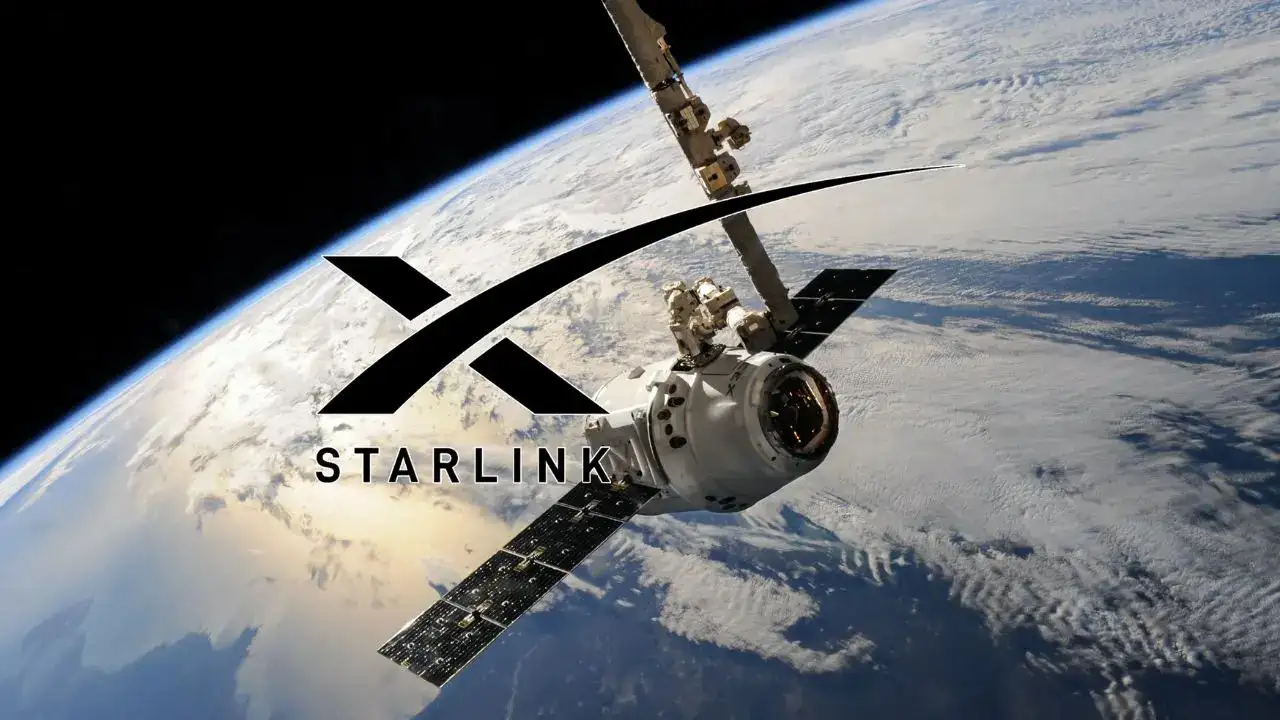
Elon Musk–owned Starlink — the satellite internet business operated by SpaceX — already has regulatory permission to provide traditional satellite broadband in India using its first-generation (Gen 1) constellation. However, its proposal to offer advanced Direct-to-Device (D2D) connectivity services is facing a regulatory hurdle: Starlink must seek fresh approval from India’s space regulator, IN-SPACe.
India’s Indian National Space Promotion and Authorization Centre (IN-SPACe) has rejected Starlink’s original application for its next-generation (Gen 2) satellite constellation, which includes the technology needed for D2D services, because the proposal didn’t meet India’s regulatory requirements and used frequency bands not permitted in the country.
As a result, even though Starlink is cleared to offer broadband internet using its Gen 1 network of low-Earth-orbit satellites, its ambitious plan to offer direct connectivity to phones and other devices without terrestrial infrastructure now awaits additional regulatory scrutiny and approval.
What Are Direct-to-Device (D2D) Services?
Direct-to-Device services allow satellites to communicate directly with standard mobile phones or other devices without relying on ground cell towers or broadband network links. This can extend connectivity to remote areas and places with weak or no cellular coverage, filling major digital gaps — a key reason for global interest in satellite-based D2D connectivity.
In countries like the United States, Starlink has made progress by partnering with mobile operators (e.g., T-Mobile) to enable D2D access directly on compatible phones.
Why Indian Regulators Are Hesitant
There are several reasons Starlink’s D2D application hasn’t been approved yet:
Technical and Spectrum Requirements
Starlink’s Gen 2 satellite system proposed using certain frequency bands that aren’t currently permitted under Indian regulations. India’s space and telecom frameworks control which parts of the spectrum satellites may use for communications — especially for services that reach end-user devices directly from space.
Lack of a D2D Regulatory Framework
India still doesn’t have a clear regulatory pathway or guidelines specifically for satellite D2D services. Because the technology is relatively new and different from traditional satellite broadband or cellular networks, regulators want to ensure safety, interference management, security, and fair competition before opening the market.
Telecom Sector Concerns
Indian telecom operators have voiced concerns that D2D services could disrupt their business models if satellite companies are allowed to provide direct mobile coverage without being subject to similar regulations and licensing as existing telecom carriers. Officials have indicated that further consultations — possibly including recommendations from regulators like the Telecom Regulatory Authority of India (TRAI) — may be needed before D2D offerings are permitted.
What This Means for Starlink’s India Rollout
Starlink’s path in India can be summarised as follows:
- Gen 1 Satellite Broadband Services: Starlink has obtained approval from IN-SPACe and India’s Department of Telecommunications (DoT) to operate traditional satellite broadband services in India, with spectrum and gateway requirements in place.
- D2D Services Still Pending: The next step — D2D connectivity that could reach users’ phones directly from space without conventional infrastructure — is not yet approved in India. To pursue this, Starlink must submit a fresh application to IN-SPACe that meets technical norms and regulatory conditions.
- Regulatory Consultations Upcoming: India is still deliberating on how to regulate satellite-based mobile services like D2D. Officials may seek technical and market advice before crafting a clear licensing framework, including any pricing and spectrum norms.
Starlink has taken major steps toward delivering satellite internet in India, including obtaining a GMPCS licence from the telecom department and IN-SPACe approval for its Gen 1 constellation. However, its **Direct-to-Device technology — which could deliver direct satellite connectivity to phones and other user devices — still needs fresh regulatory approval from IN-SPACe because current filings didn’t meet India’s technical and spectrum requirements.
Until that fresh nod is granted and a regulatory framework for D2D services is finalised, Starlink’s ambitions for satellite-to-device mobile coverage in India remain on hold, even as its standard broadband plans move closer to rollout.