


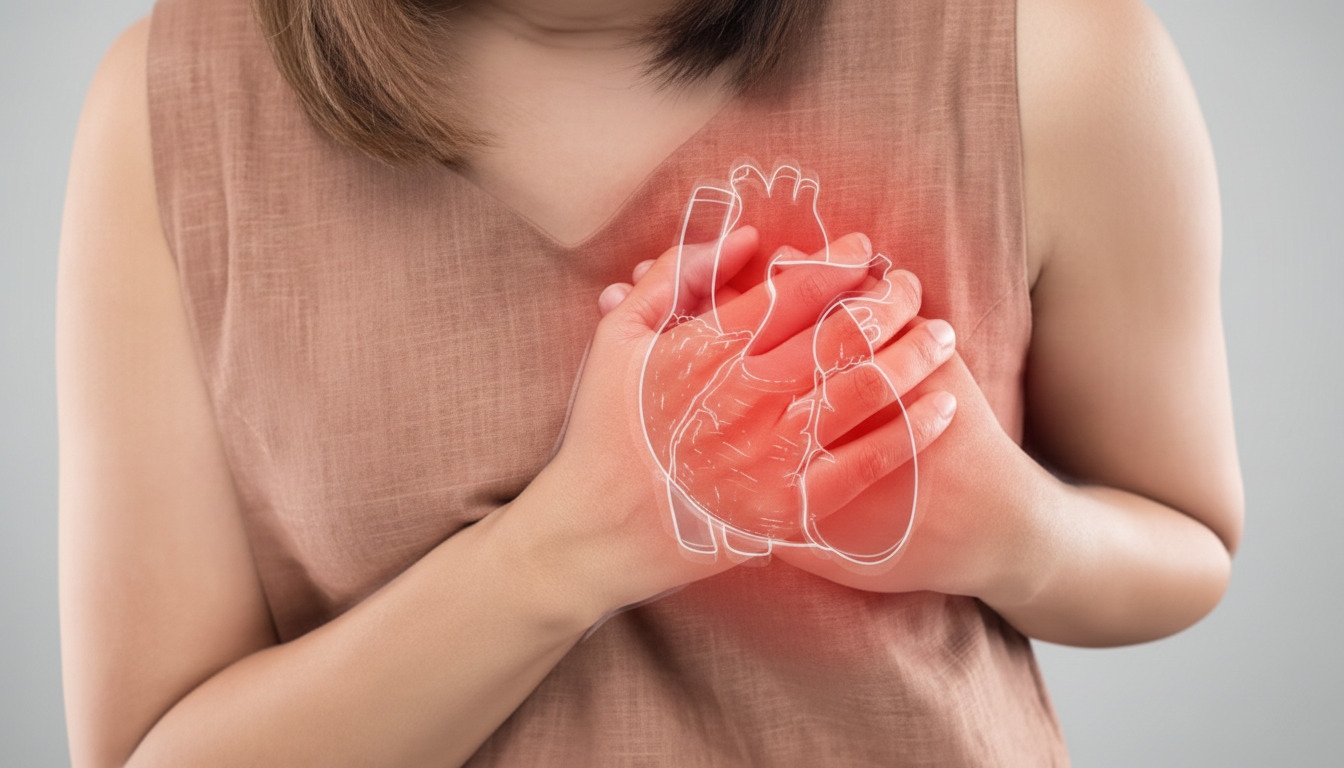
Before we dive into the hacks, we have to understand what we’re protecting. Your heart has four valves: the Aortic, Mitral, Tricuspid, and Pulmonary. Think of them as one-way doors.
When they function perfectly, they allow blood to move from chamber to chamber and then out to the rest of your body. However, two primary dysfunctions can occur:
- Stenosis: The valve becomes stiff or narrowed, like a rusty hinge. The heart has to pump twice as hard to squeeze blood through.
- Regurgitation (Leaky Valve): The valve doesn’t close tightly, allowing blood to leak backward. This forces your heart to re-pump the same blood, leading to exhaustion and enlargement of the heart muscle.
Hack 1: Recognize the “Whispers” (Early Warning Signs)
The first hack is a mental shift. Heart valve problems rarely announce themselves with dramatic chest pain. Instead, they offer subtle clues that people often dismiss as stress or a lack of fitness.
The Signs to Watch For:
- Unexplained Dizziness: If you feel lightheaded when standing up or during mild activity, your brain might not be getting a steady flow of oxygenated blood.
- The “Flutter”: A sensation of skipped beats or palpitations in the chest.
- Swelling: Fluid retention in the ankles or feet, often most noticeable at the end of the day.
- Shortness of Breath: Finding yourself winded after a single flight of stairs that used to be easy.
Coach’s Note: If you find yourself saying, “I’m just out of shape,” take a second look. If the breathlessness is new or worsening, it’s not your fitness—it might be your valves.
Hack 2: The Stethoscope Power-Check (The 2026 Gold Standard)
This is the hack mentioned in the prompt, and it is arguably the most important. A basic annual checkup—specifically one involving a stethoscope examination—can catch a problem years before it becomes a crisis.
Why the Stethoscope?
Often, the very first sign of valve disease isn’t a symptom you feel; it’s a sound a doctor hears. This is called a heart murmur—a “whooshing” or “swishing” sound caused by turbulent blood flow through a narrowed or leaky valve.
The 2026 Update: AI-Assisted Auscultation
In 2026, the humble stethoscope has undergone a digital revolution. New AI-enabled digital stethoscopes are now being used in primary care to detect valve disease with up to 92% sensitivity, nearly doubling the detection rate of traditional methods. These devices can pick up subtle acoustic patterns that even experienced ears might miss.
Your Action Step: During your annual physical, explicitly ask your doctor: “Can you listen for any murmurs or abnormal sounds today?” Don’t assume they’ll do it in a rushed 10-minute appointment unless you prompt them.
Hack 3: The “Echo” – Your Heart’s High-Def Selfie
If a murmur is detected, or if you simply “feel off,” the next hack is to request an Echocardiogram (Echo).
While an EKG (Electrocardiogram) measures your heart’s electricity, an Echo is a painless ultrasound that provides moving pictures of your heart in action.
- What it shows: It allows doctors to see exactly how your valves are opening and closing. It can measure the degree of leakage or narrowing with pinpoint accuracy.
- The 2026 Perspective: In many regions, Echoes are now more accessible and can be performed in under 15 minutes, often covered by standard insurance if “medically necessary”.
Hack 4: Follow Age-Specific Screening Guidelines
Valve disease isn’t a “one-size-fits-all” condition. Your risk factors shift as you move through different stages of life.
| Age Group | Focus Area |
| 18–40 Years | Throat Infections. Untreated strep throat can lead to Rheumatic Heart Disease, which scars the valves. Address infections promptly. |
| 40–60 Years | Fatigue and Breathing. This is the “bridge” decade where early-onset valve wear starts to show. Don’t ignore changes in your stamina. |
| 60+ Years | Aortic Stenosis. This is the most common valve problem in seniors. Proactive testing is essential, as the risk of “silent” failure increases significantly after 65. |
Hack 5: Never Dismiss Fatigue as “Just Stress”
This is perhaps the most dangerous trap. Fatigue is the most underreported and most dismissed cardiac symptom.
When a heart valve is damaged, your heart has to work much harder to pump blood. This consumes a massive amount of metabolic energy. If you are experiencing persistent, unexplained exhaustion that lasts for weeks or months, it is not just a “busy season” at work—it is a clinical sign that your heart might be struggling to keep up.
Hack 6: Tame the “Hammer Effect” (Blood Pressure)
Imagine your heart valves are doors. Now imagine someone is slamming those doors shut with a sledgehammer 100,000 times a day. That is what High Blood Pressure (Hypertension) does to your valves.
Consistent high pressure forces the valves to snap shut with violent force. Over time, this leads to:
- Calcification: The valves become stiff and “bony.”
- Stretching: The valve leaflets can stretch and fail to meet in the middle, causing massive leaks.
The Hack: Monitor your blood pressure at home. Keeping it within a healthy range is one of the “simplest ways” to ensure your valves stay supple for decades.
Hack 7: The Tooth-Heart Connection (Dental Hygiene)
It might seem strange that a cardiologist cares about your dentist, but your mouth is the gateway to your heart.
Poor dental hygiene allows bacteria to enter the bloodstream through inflamed gums. This bacteria has a “sticky” affinity for heart valves, potentially causing Infective Endocarditis—a life-threatening infection that can eat away at your valve tissue.
The Hack: Brush twice a day, floss, and never skip your professional cleanings. If you already have a known valve issue, ask your cardiologist if you need “pre-medication” (antibiotics) before dental procedures.
Lifestyle “Bonus” Hacks for 2026
Beyond the seven clinical hacks, your daily habits act as the foundation for your valves:
- Watch the Salt: High sodium intake directly increases blood pressure, stressing the valves.
- Omega-3s over Saturated Fats: Replace trans fats with olive oil, fatty fish, and walnuts to reduce the inflammation that contributes to valve stiffening.
- Resistance Training: Building muscle isn’t just for aesthetics; it improves overall circulation, easing the “backpressure” on your heart and its valves.
The Bottom Line: Don’t Wait for a Crisis
Heart valve disease is highly treatable if caught early. In 2026, we have incredible minimally invasive procedures, such as TAVI/TAVR (replacing a valve through a small catheter in the leg), which can have you back on your feet in days rather than weeks.
But these modern miracles only work if we know there is a problem. The difference between a healthy retirement and a chronic struggle often comes down to that simple, low-tech stethoscope check during your annual physical.
Summary Table: Your Valve Health Checklist
| Hack | What to Do | Frequency |
| 1. Symptom Check | Monitor for dizziness, breathlessness, and swelling. | Monthly |
| 2. Stethoscope | Ask for a murmur check during your physical. | Annually |
| 3. Echo Scan | Request an ultrasound if you have symptoms or a murmur. | As Needed |
| 4. Age Guidelines | Check risk factors specific to your decade. | Every 5 Years |
| 5. Fatigue Watch | Don’t normalize persistent exhaustion. | Daily |
| 6. Blood Pressure | Keep readings stable to prevent “valve slamming.” | Weekly |
| 7. Dental Care | Maintain gum health to prevent infection. | Daily/6 Months |
Final Thoughts
Your heart valves are resilient, but they aren’t invincible. By applying these seven hacks, you are essentially “servicing” the engine of your life.