



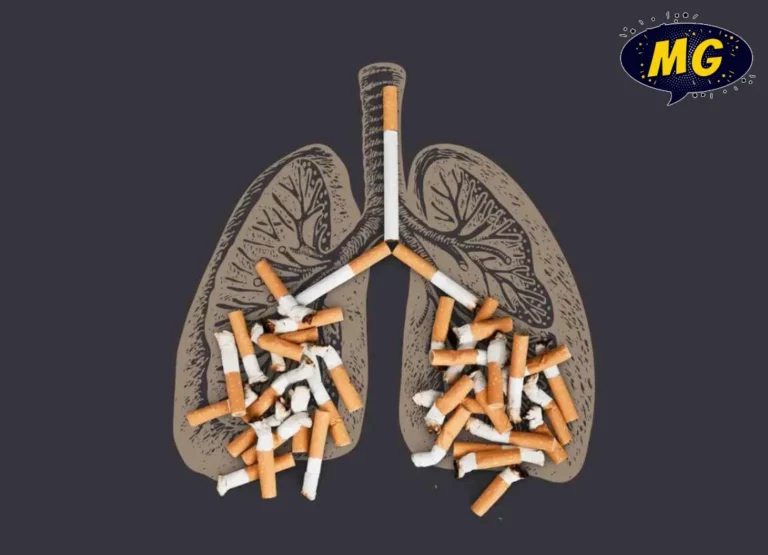

एक स्वस्थ और संतुलित जीवन के लिए mental और physical health दोनों का ख्याल रखना बेहद जरूरी है। ये दोनों एक-दूसरे से जुड़े होते हैं—जब आप शरीर का ध्यान रखते हैं, तो दिमाग भी बेहतर काम करता है, और जब मन शांत होता है, तो शरीर भी स्वस्थ रहता है।
1. Regular Exercise को प्राथमिकता दें
नियमित exercise करने से:
- शरीर मजबूत होता है
- heart health बेहतर होती है
- stress और anxiety कम होती है
आप ये activities कर सकते हैं:
- Walking
- Yoga
- Weight Training
👉 रोज़ाना active रहने से mind और body दोनों energized रहते हैं
2. Balanced और Nutritious Diet लें
सही खान-पान आपकी overall health की foundation है
अपनी diet में शामिल करें:
- fruits और vegetables
- whole grains
- protein-rich foods
- healthy fats
👉 processed food, ज्यादा sugar और junk food से बचें
3. Mindfulness और Meditation अपनाएं

Meditation और mindfulness से:
- मन शांत रहता है
- focus बढ़ता है
- stress कम होता है
👉 रोज़ 5–10 मिनट भी काफी फायदेमंद हो सकते हैं
4. पर्याप्त नींद लें
Sleep आपकी body और brain के लिए recovery time है
- रोज़ 7–9 घंटे की नींद लें
- same sleep schedule follow करें
- सोने से पहले screen time कम करें
👉 अच्छी नींद = बेहतर mood + strong immunity
5. Stress को सही तरीके से Manage करें
Stress life का हिस्सा है, लेकिन इसे control करना जरूरी है
कुछ आसान तरीके:
- deep breathing
- journaling
- nature में time बिताना
- time management
👉 सही stress management से mental और physical problems दोनों कम होती हैं
6. Strong Relationships बनाएं

Healthy relationships आपकी wellbeing के लिए बहुत जरूरी हैं
- family और friends के साथ समय बिताएं
- emotional support लें और दें
👉 strong connections loneliness कम करते हैं और happiness बढ़ाते हैं
7. अपनी पसंद की Activities करें
जो चीजें आपको खुशी देती हैं, उन्हें अपनी life का हिस्सा बनाएं
- reading
- music
- painting
- traveling
👉 hobbies stress कम करती हैं और life को enjoyable बनाती हैं
Extra Tips
- छोटी शुरुआत करें, consistency रखें
- खुद से positive बात करें
- digital detox करें
- पानी पर्याप्त मात्रा में पिएं
निष्कर्ष
Mental और physical health का ध्यान रखना कोई एक दिन का काम नहीं है—यह एक lifestyle है।
👉 अगर आप रोज़ छोटे-छोटे healthy habits अपनाते हैं, तो:
- energy बढ़ेगी
- stress कम होगा
- life ज्यादा balanced और खुशहाल बनेगी
याद रखें:
Healthy mind + Healthy body = Happy life