


What's Hot

5 Ways to Reduce Cervical Cancer Risk in Your 20s

Table of Content

In the quiet, sterile rooms of a radiation oncology department, we often see patients at the end of a very long, unfortunate chain of events. By the time a patient reaches my office for cervical cancer treatment, they are often facing aggressive therapies—external beam radiation, brachytherapy (internal radiation), and chemotherapy. These treatments save lives, but they are grueling. They alter bodies, impact fertility, and leave emotional scars that can last a lifetime.

The tragedy of cervical cancer, however, is not just in its severity; it is in its preventability.

As a radiation oncologist, my job is usually to treat the fire after it has started. But during Cervical Cancer Awareness Month, I want to step out of the treatment vault and stop the spark. The 20s are a critical decade for cervical health. It is often the time when the Human Papillomavirus (HPV)—the virus responsible for over 95% of cervical cancers—is most active. It is also the decade where young women are most likely to skip doctor’s appointments due to career stress, lack of insurance, or the feeling of invincibility that defines youth.

Here is the hard truth: The decisions you make regarding your cervical health in your 20s will largely dictate your cancer risk in your 40s and 50s. Based on the latest 2026 medical guidelines and the cases I see daily, here are the five most effective ways to reduce your risk.


1. The “Catch-Up” Strategy: It’s Not Too Late for the HPV Vaccine

There is a common misconception that if you didn’t get the HPV vaccine (Gardasil 9) as a pre-teen, you missed the boat. This is scientifically incorrect and dangerous thinking.

While the ideal window for vaccination is indeed between ages 9 and 14 (before any sexual activity), the vaccine is FDA-approved and highly recommended for women up to age 26. In fact, “shared decision-making” guidelines now allow for vaccination up to age 45.

Why it matters in your 20s:

Even if you have been sexually active, it is statistically unlikely that you have been exposed to all nine high-risk strains of HPV covered by the vaccine. The vaccine can still protect you from the strains you haven’t met yet.

  • The Schedule: If you are starting the series in your 20s, you will need three doses (unlike the two doses required for children). The schedule is typically 0, 2, and 6 months.
  • The Oncologist’s Take: I often hear patients say, “I’m already married” or “I have a steady partner, so I don’t need it.” Remember, HPV can lie dormant for years. A partner could have contracted it years prior. The vaccine is your biological shield; do not leave it on the table.

2. Navigate the “21 vs. 25” Screening Confusion

If you have Googled “when to get a Pap smear” recently, you might be confused. Major health organizations have slightly different guidelines, and this confusion often leads women to skip screening entirely.

  • The Old Standard: Start Pap smears at age 21, repeating every 3 years.
  • The New ACS Guideline: Start primary HPV testing at age 25, repeating every 5 years.

My Advice for Your 20s:

Don’t wait until 25 to see a gynecologist. While the American Cancer Society (ACS) has shifted the focus to age 25 because cervical cancer is rare in women under 25 and young bodies often clear HPV naturally, I strongly recommend an initial visit at 21.

Why? Because “rare” does not mean “impossible.”

In my practice, I have treated women in their mid-20s with advanced disease because they waited. A Pap smear at 21 acts as a baseline. It allows your doctor to check for inflammation or abnormalities that might need monitoring. Furthermore, seeing a doctor at 21 establishes a relationship and ensures you are screened for other reproductive health issues.

The Golden Rule:

  • Ages 21–29: You should generally have a Pap smear every 3 years.
  • If you are 25+: You may have the option of an HPV test alone or a “co-test” (Pap + HPV).
  • Do not ghost your gyno: Even if you are not due for a Pap this year, your annual well-woman exam is crucial for breast exams and pelvic health.

3. The Toxic Link: Smoking and “Cervical Mucus”

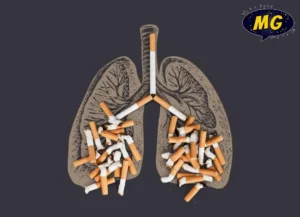
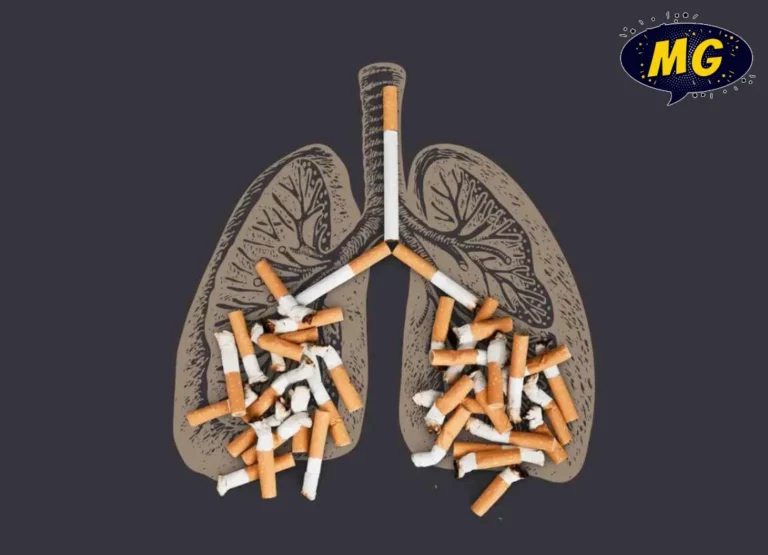
Most people associate smoking with lung cancer. Few realize that smoking is a direct, primary accelerant for cervical cancer. Women who smoke are twice as likely to develop cervical cancer as non-smokers.

The Science (What happens inside):

When you inhale tobacco smoke, carcinogens like benzo[a]pyrene enter your bloodstream. The body attempts to excrete these toxins, and studies have detected high concentrations of these specific tobacco carcinogens in the cervical mucus of smokers.

Essentially, smoking bathes your cervical cells in a carcinogenic soup.

  • DNA Damage: These chemicals damage the DNA of cervix cells, making them more likely to mutate.
  • Immune Suppression: This is the critical factor. Your immune system is designed to fight off HPV. Most women clear the virus naturally within two years. Smoking suppresses the local immune response in the cervix, allowing the HPV infection to persist. Persistent HPV is the engine that drives cancer.

The Fix:

If you are a “social smoker” in your 20s—vaping on weekends or having a cigarette with drinks—you are actively degrading your body’s ability to clear HPV. Quitting is the single most effective lifestyle change you can make to protect your cervix.


4. Barrier Methods and “Viral Load” Management

In the era of long-acting reversible contraceptives (like IUDs) and the pill, condom use has declined among monogamous couples. While hormonal birth control is excellent for preventing pregnancy, it offers zero protection against HPV.

The “Viral Load” Concept:

While condoms are not 100% effective against HPV (since the virus can live on skin areas not covered by the condom), they significantly reduce the viral load transmitted between partners.

  • Consistency Counts: Studies show that consistent condom use can speed up the clearance of an existing HPV infection. By reducing the constant re-exposure to the virus, you give your cervix a “break” and a better chance to heal itself.

The 20s Lifestyle Factor:

This decade often involves dating and new partners. The more partners you have, the higher your statistical probability of encountering high-risk HPV strains. Using barrier methods is a non-negotiable layer of defense, regardless of your other contraception methods.


5. Listen to the “Whispers” (Symptom Awareness)

One of the most dangerous myths is that cervical cancer is always asymptomatic until it is too late. While early pre-cancers (dysplasia) are indeed silent (which is why we screen!), early-stage cancer often tries to tell you something.

In your 20s, it is easy to dismiss irregularities as “stress,” “hormones,” or “a rough period.” As an oncologist, I urge you to pay attention to these three “whispers”:

  1. Bleeding between periods: If you are spotting when you shouldn’t be, get it checked.
  2. Post-coital bleeding: Bleeding after intercourse is a classic “red flag” symptom of cervical abnormalities. It happens because the tumor or lesion on the cervix is friable (bleeds easily) when touched.
  3. Unusual discharge: Any persistent, watery, or foul-smelling discharge warrants an exam.

Don’t Normalize Pain:

Pain during intercourse (dyspareunia) is not normal. While it can be caused by many benign things (endometriosis, cysts), it is also a symptom of cervical issues. If something feels different, do not let a busy work schedule stop you from making an appointment.


The Oncologist’s Perspective: Why I Am Writing This

You might wonder why a specialist who treats cancer is so passionate about primary care tips.

It’s because cervical cancer is unique. Unlike brain cancer or leukemia, which can strike randomly and often without a clear cause, cervical cancer has a clear, slow-moving precursor. We know the cause (HPV). We have a weapon against the cause (Vaccine). We have a map to find the enemy early (Pap/HPV tests).

When a 28-year-old walks into my radiation suite with Stage 3 cervical cancer, it is almost always a failure of the system or a gap in awareness, not a failure of medicine. It is usually because she didn’t know the vaccine was still an option, or she was too scared to get a Pap smear, or she ignored the bleeding for six months.

Your 20s are a time of immense freedom and self-discovery. But they are also the time to lay the biological foundation for the rest of your life.

  • Get the shot.
  • Book the uncomfortable appointment.
  • Throw away the cigarettes.

It is 15 minutes of discomfort in a clinic versus months of treatment in a hospital. The choice is yours, and I hope, for your sake, I never have to see you in my office.


Actionable Checklist for Your 20s:

AgeAction Item
Any AgeQuit Smoking: Immediate risk reduction.
21-29Pap Smear: Schedule every 3 years.
< 26HPV Vaccine: Ask for “Gardasil-9” (3 doses).
25+HPV Testing: Discuss moving to HPV-only or Co-Testing with your doctor.
AnnualWell-Woman Exam: Pelvic exam + general health check (even if no Pap is due).

admin

gauravshukla165@gmail.com https://madgossip.com

Leave a Reply

Your email address will not be published. Required fields are marked *

Recent News

Trending News

Editor's Picks

Qure.ai Wins Bill & Melinda Gates Foundation Grant to Boost AI Diagnostics for TB & Pneumonia

Global digital health innovator Qure.ai has been awarded a multimillion-dollar grant from the Bill & Melinda Gates Foundation aimed at accelerating the development and deployment of cutting-edge AI diagnostics to detect tuberculosis (TB) and pneumonia early — especially in under-resourced regions where access to timely medical imaging and expert clinicians is limited. The funding marks...

Why Saina Nehwal’s Retirement is the End of an Era

When Saina Nehwal first stepped onto the international stage in the mid-2000s, Indian badminton was a sport of “flashes in the pan.” We had legends like Prakash Padukone and Pullela Gopichand, but we lacked a consistent, week-in-week-out presence in the world’s top five. Saina didn’t just join the elite; she kicked the door down. On...

Apple’s Big Siri Reboot: From Voice Assistant to Full-Blown AI Chatbot

Apple is reportedly preparing one of the biggest overhauls in Siri’s history. According to industry chatter and analyst reports, Apple is exploring ways to transform Siri from a task‑based voice assistant into a conversational AI chatbot — potentially powered, at least in part, by Google’s Gemini large language models. If this shift materializes, it could...

Scientists Discover Fastest-Spinning Large Asteroid Ever Recorded

Astronomers have identified what is now believed to be the fastest‑spinning large asteroid ever observed, a discovery that is reshaping scientists’ understanding of how these rocky remnants of the early solar system behave, evolve, and survive under extreme physical stress. The finding challenges long‑standing assumptions about asteroid structure and rotation limits, and it could have...

A space where ideas grow, stories connect, and knowledge is shared to inspire curious minds across the world.

Must Read

©2024- All Right Reserved. Designed and Developed by  MadGossip

What's Hot