



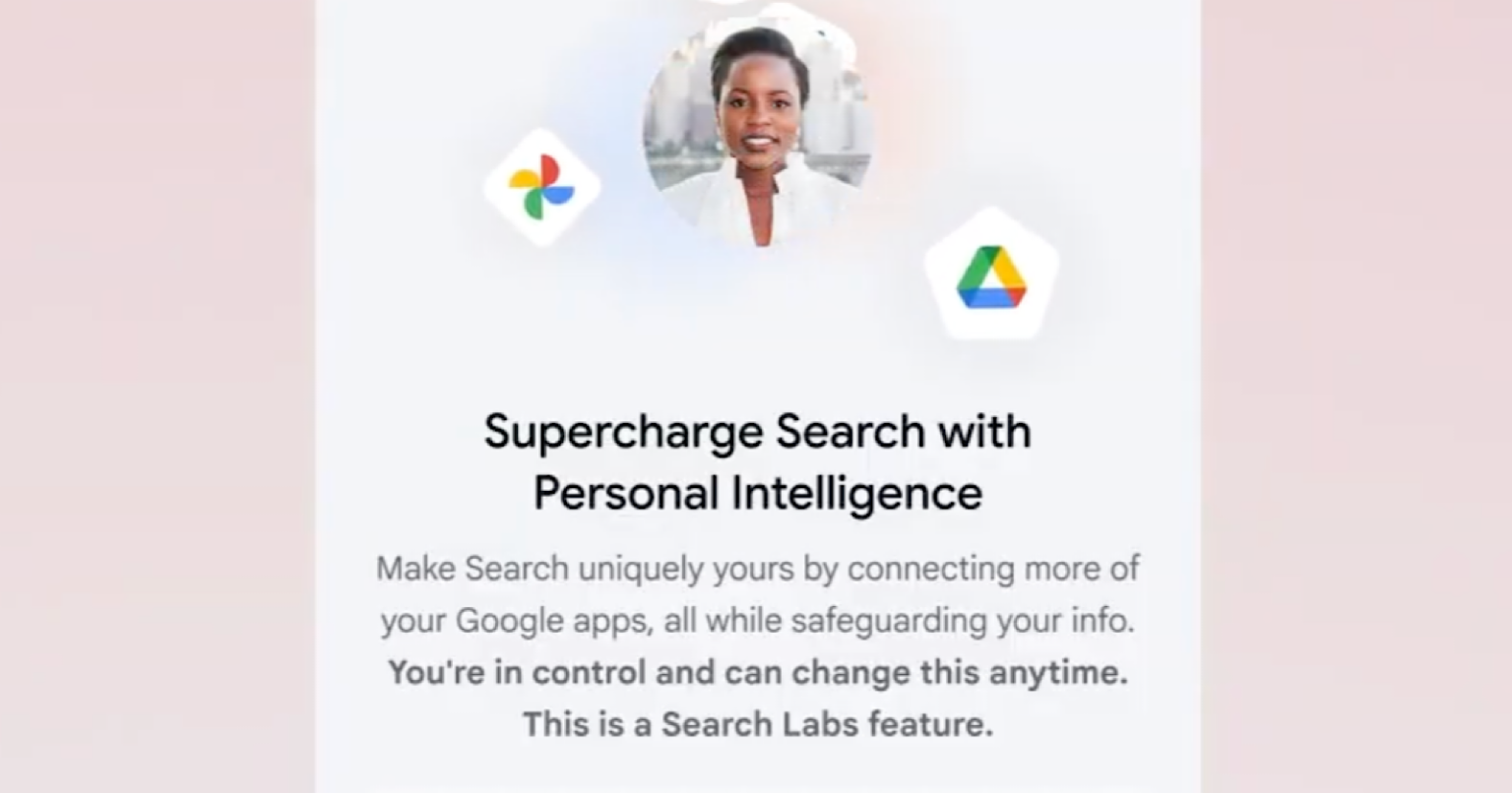
Google unveiled one of the most ambitious updates to its AI assistant ecosystem in years — a feature called Personal Intelligence built into the Gemini app. Promising to transform Gemini from just another chatbot into a deeply personalized digital assistant, this feature pulls together context from across a user’s apps to deliver more relevant, context-aware, and actionable responses.
With Google now blending personal data — from Gmail to Google Photos and YouTube — into AI responses (with explicit user consent), this marks a major evolution in how consumer AI assistants understand you and your digital life. But with personalization comes intense debate about privacy, utility, and what it really means for users. Here’s a complete look at what Personal Intelligence is, how it works, and why it matters in 2026.
What Is Personal Intelligence?
At its core, Personal Intelligence is a feature that lets Google’s Gemini AI tap into information from your personal Google apps — if you choose to opt in — and use that data to shape more insightful, personalized responses to your questions or tasks. Rather than giving generic answers, the AI can reference you, your history, and your context to be genuinely helpful.
Unlike previous AI assistants that answered based only on the text of your query, Personal Intelligence extends Gemini’s reach so it can:
- Identify specific details from emails, photos, search history, and videos
- Reason across these data sources to answer complex or nuanced questions
- Tap into your digital context to deliver actions and recommendations rather than just information
This could include things like planning trips based on your travel confirmations, recommending restaurants informed by photos you’ve taken, or even figuring out technical details from past emails when you need them most.
How It Works — Step by Step
Here’s how Personal Intelligence functions on a practical level:
1. Opt-In Only — You Decide What Gemini Sees
Google stresses that Personal Intelligence is strictly opt-in and off by default. Users must explicitly enable it and then choose which apps they want to connect, such as Gmail, Google Photos, YouTube, or Search history.
This gives users a granular level of control — they decide whether Gemini can access email content, photos of past trips, search history, or playlists.
2. Data Stays With Google — Not Shared Externally
Google argues that because this data already resides within its secure systems, Personal Intelligence doesn’t send your data to external services. The company also says the feature doesn’t train its foundational models directly on your Gmail or photo libraries; rather, it uses your connected apps as context sources when generating responses.
3. Gemini Reasoning Gets Smarter
Once apps are connected:
- Gemini can retrieve specific data (like an email receipt or image metadata)
- It can reason across sources to provide richer insights
- It can deliver tailored suggestions that make use of your real digital life instead of generic patterns
For example, Google gave a scenario where a user at a tire shop could ask Gemini about their vehicle’s tire size. Rather than just guessing or asking the user for details, Personal Intelligence could find a photo of the vehicle, extract the license plate or model, and cross-check that with Gmail receipts to deliver precise recommendations — leaving the user with detailed, context-aware guidance.
4. Transparency and Control
Google has built in mechanisms for transparency. Gemini will attempt to show users which app or data source informed its answer. And if the AI makes a mistake or draws incorrect inferences, users can correct Gemini or provide feedback directly in the chat to refine future responses.
Where and Who Gets It First
Currently, Personal Intelligence is rolling out in beta for Google AI Pro and AI Ultra subscribers in the United States only. It’s available on the Gemini app across web browsers, Android, and iOS. Google has said it plans to expand the feature to more countries and eventually to the free tier once broader testing completes.
The rollout is gradual, and even some eligible users in the U.S. report they haven’t seen the setting yet — Google is staggering availability over the coming weeks.
Real-World Use Cases (Beyond Generic Responses)
Here are some compelling examples of what Personal Intelligence can already help with:
📅 Travel Planning That Knows You
If your Gmail has flight confirmations and your Photos app has pictures from past vacations, Gemini can:
- Suggest new destination recommendations
- Plan itineraries reflecting your past interests
- Propose budget-friendly or adventure options directly in a chat
This means you don’t have to repeatedly tell the assistant about your preferences — Gemini already knows from your connected data.
🛠 Technical Help With Context
Need specific specs, like your car’s tire size? Instead of asking follow-up questions, Personal Intelligence could:
- Correctly recall contextual details from your emails and photos
- Suggest relevant parts or services
- Provide tips based on your documented behavior
This kind of utility blurs the line between search and assistant: it’s not just fetching info, it’s applying it to your real world situation.
🍽 Personalized Recommendations
Whether it’s your restaurant tastes or clothing style gleaned from photos and search habits, Gemini can suggest spots, activities, and products that tend to match your actual interests — not just broad trends.
Why This Matters — And Why It’s a Big Deal
Personal Intelligence could be one of the defining features separating modern AI assistants from their predecessors. Here’s why:
1. Context Is Everything
Most AI assistants still require users to repeat context or preferences in every query. Personal Intelligence changes that by letting the assistant actually remember and use your preferences to inform responses.
2. AI Gets Less Annoying
AI tools often feel impersonal or robotic because they lack context. This feature aims to make interactions feel more human and helpful — you ask something, and Gemini delivers answers that fit your life without extra setup.
3. It Puts Google Ahead in Ecosystem Intelligence
Google already owns a massive portfolio of user data through Gmail, Photos, YouTube, and Search. Personal Intelligence leverages that ecosystem in a way many competitors haven’t fully attempted — tying apps together so AI can reference them holistically.
Privacy: What You Should Know
No feature like this is without controversy. Privacy concerns are at the heart of the discussion around Personal Intelligence.
🛡 Opt-In and User Control
By default, nothing is connected. Users have to manually enable each app connection and can revoke access at any time.
📊 Google’s Privacy Claims
Google says it doesn’t directly train on your personal content (like Gmail messages or Photos). Instead, it uses your data only to contextualize responses when you ask for help.
This distinction is subtle but important: the data stays in Google’s systems and is not sent to external services — but it is used to generate responses about you.
⚖️ Real Privacy Debate
Critics point out that pulling context from so many personal sources does inherently centralize sensitive information within the AI experience, even if it’s opt-in. Some fear that contextual personalization could lead to overreach or inadvertent information exposure if misused or misunderstood.
Challenges and Limitations (Even in Beta)
Personal Intelligence isn’t perfect:
- Not globally available yet — currently U.S. only for select subscribers.
- Beta quirks — some users have reported rollout delays or feature inconsistencies.
- Inference errors — AI may sometimes make wrong assumptions based on data patterns (e.g., assuming hobbies from photo habits).
- Privacy trade-offs — even with controls, some users may be uncomfortable with the level of access required.
What’s Next for Gemini and Personal AI?
Google has hinted that this is just the start. Plans include:
- Expanding availability to more countries and free tier users
- Integrating Personal Intelligence into AI Mode in Search more deeply
- Bringing additional apps and data types into the personalization fold over time
If Google succeeds, we could see AI assistants genuinely acting like digital life copilots, not just text generators. And if competitors like OpenAI and Microsoft respond with their own deeply contextual personalization tools, the next year could redefine what everyday AI really looks like.
Conclusion: A Personalized AI for a Connected World
With Personal Intelligence, Google has taken a bold leap toward making AI assistants more useful, proactive, and context-aware than ever before. It blends the power of Gemini’s reasoning with the depth of users’ real digital lives, creating experiences that feel tailored, relevant, and time-saving.
But this power comes with responsibility — and questions about how much personalization users want versus how much privacy they’re willing to share. How that balance evolves will shape the future of AI assistance not just for Google, but for the entire industry.
In 2026, Personal Intelligence may just be the beginning of truly personal artificial intelligence — if users, regulators, and developers can navigate its benefits and challenges together.