




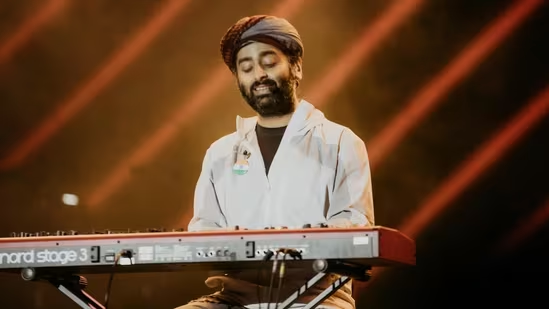
In a move that has sent shockwaves across the Indian music industry, Arijit Singh — one of Bollywood’s most celebrated playback singers — has announced his retirement from playback singing. Known for his soulful voice, emotive performances, and a string of chart-topping hits, Singh’s decision marks the end of an era for Bollywood music fans. The singer clarified that while he will no longer record songs for films, he will continue to make music independently and explore other genres, including Indian classical music and personal projects.
Over the past decade, Arijit Singh’s voice has defined romance and emotion in Hindi cinema. From the heart-wrenching “Tum Hi Ho” to soulful tracks in films like Ae Dil Hai Mushkil, Kabir Singh, and Kalank, Singh has become the go-to voice for filmmakers and composers seeking a singer who can convey deep emotion effortlessly.
The Announcement: What Arijit Said
On January 27, 2026, Singh shared a statement on social media, confirming his decision to step away from playback singing. He described the journey as “wonderful” and thanked fans for their unwavering support. His message emphasized that the retirement is not due to personal or professional burnout but rather a desire to explore new musical avenues and challenge himself creatively.
He stated:
“Playback singing has been an incredible journey, but I feel it’s time to explore other kinds of music and broaden my artistic horizons. I will continue to make music, but outside the world of films.”
Singh also mentioned that he would complete pending projects already recorded for films, ensuring that fans will still hear some of his final playback work in the coming months.
Why This Announcement Matters
Arijit Singh’s retirement is not just a personal decision; it represents a pivotal moment in Bollywood music. His voice has been integral to the soundscape of contemporary Hindi cinema, with songs that have defined romance, heartbreak, and celebration for an entire generation. The news has sparked reactions across social media and industry circles:
- Fans expressed shock and nostalgia, sharing their favorite songs and thanking him for shaping their musical memories.
- Fellow artists have lauded his decision as a bold move toward personal and artistic growth. Shreya Ghoshal remarked, “It’s time to soar higher,” celebrating Singh’s evolution as an artist.
- Music directors and composers now face the challenge of filling the void left by his iconic voice, which has been a reliable choice for emotive tracks.
A Legacy Carved in Melody
Arijit Singh’s career is a testament to talent, versatility, and consistent artistic excellence. Rising to fame with Aashiqui 2 in 2013, his song “Tum Hi Ho” became a nationwide sensation, propelling him to superstardom almost overnight. Since then, he has delivered innumerable hits across genres, including romantic ballads, dance tracks, and soulful melodies. Some of his most iconic tracks include:
- “Channa Mereya” (Ae Dil Hai Mushkil)
- “Raabta” (Agent Vinod)
- “Muskurane” (CityLights)
- “Phir Bhi Tumko Chaahunga” (Half Girlfriend)
- “Kalank Title Track” (Kalank)
His ability to convey complex emotions through subtle nuances in tone and phrasing has set him apart, making him one of the most streamed and awarded playback singers of his generation. His music has not only dominated the charts but also become a staple for weddings, anniversaries, and personal playlists across India.
Why Arijit Decided to Step Away
Arijit Singh’s reasons for retiring from playback singing are multifaceted:
- Creative Exploration: Singh revealed that he became “bored” of the repetitive structure of film music and sought new musical challenges. He wants to experiment with different styles, including independent music, fusion, and classical compositions.
- Personal Growth: Over the years, the pressure and demands of playback singing, while manageable, limited the scope for personal musical exploration. By stepping away, he now has freedom to create music on his own terms, without constraints imposed by film narratives or directors’ expectations.
- Focus on Independent Projects: Singh aims to invest time in original compositions, collaborations, and live performances that reflect his personal musical identity rather than cinematic storytelling.
What’s Next for Arijit Singh
While his Bollywood playback career is winding down, Singh’s musical journey is far from over. He has already expressed interest in:
- Indian classical music: Exploring traditional ragas and instruments, expanding his musical repertoire.
- Independent music projects: Producing albums and singles that are not tied to films.
- Collaborations with other artists: Both in India and internationally, potentially blending genres.
- Live performances and concerts: Continuing to connect directly with audiences.
This direction reflects a desire to retain artistic control and explore music purely as a form of expression, rather than as a service for cinematic storytelling.
Industry and Fan Reactions
Arijit Singh’s retirement announcement has generated waves of reactions across India:
- Social Media Explosion: Fans flooded platforms like Twitter and Instagram with tributes, reflecting on their favorite songs and sharing personal memories tied to his music.
- Industry Praise: Composers and singers highlighted Singh’s contribution to Indian music, emphasizing his role in shaping the modern Bollywood soundscape. Many described the retirement as a step toward artistic evolution rather than an end.
- Cultural Impact: Arijit Singh’s songs have often become emotional touchpoints for listeners, creating connections that transcend the screen. His retirement signals a shift in the industry, offering space for emerging voices to rise while inspiring established artists to experiment.
Playback Singing vs Independent Music
The distinction between playback singing and independent music in India is significant:
- Playback Singing: Involves recording songs that appear in films, often with specific thematic and narrative constraints. While it can bring fame and steady work, it can also be creatively limiting.
- Independent Music: Offers freedom to experiment with styles, genres, and lyrics without conforming to a film’s story. Arijit Singh’s pivot toward independent music reflects a growing trend among Indian artists seeking creative autonomy and direct audience engagement.
Singh’s decision mirrors other artists globally who transition from commercially-driven work to personal, passion-driven projects, prioritizing artistic fulfillment over mass production.
A Legacy That Will Endure
Arijit Singh leaves behind a treasured legacy that includes:
- Hundreds of hits spanning multiple genres
- Iconic duets with Shreya Ghoshal, Sunidhi Chauhan, and other leading artists
- Awards and accolades, including Filmfare Awards for Best Male Playback Singer
- A transformative influence on how emotions are conveyed in Bollywood music
Even as he steps away from playback singing, his songs will continue to resonate with millions of listeners, ensuring that his voice remains timeless in Indian pop culture.
Conclusion: The End of an Era, the Start of a New Chapter
Arijit Singh’s retirement from playback singing is a moment of reflection for Bollywood fans and the music industry alike. While his departure from films closes a chapter filled with unforgettable melodies, it also opens a door to new explorations in music, creative independence, and personal expression.
Fans can look forward to original compositions, experimental projects, and live performances that showcase Arijit Singh not just as a playback singer but as a versatile, evolving musician. His journey underscores the importance of artistic growth and the courage to follow one’s passion — even when it means leaving behind the comfort of fame and familiarity.
For now, Bollywood may feel a void without his voice gracing movie soundtracks, but Arijit Singh’s music will continue to touch hearts, inspire artists, and define emotions for years to come. As he himself says, this is not the end of music — just a beautiful new beginning.