


What's Hot

Mumbai Real Estate Analysis The Rise of the Luxury “Dip” in January 2026

Table of Content

The first month of the year is often a bellwether for the Indian real estate sector, and Mumbai—the nation’s most expensive and active market—is currently offering a masterclass in economic divergence. According to the latest data from the Maharashtra Department of Registration and Stamps (IGRM), property registrations in the Mumbai municipal area (BMC region) dropped to 11,219 units in January 2026, marking an 8% decline compared to the same period in 2025.

However, in a paradoxical twist, stamp duty collections grew by 2%, reaching record highs. This suggests that while fewer people are buying homes, those who are buying are spending significantly more per square foot.


1. Decoding the Numbers: Quantity vs. Quality

To understand why the market is behaving this way, we must look beyond the headline dip.

  • The Registration Slump: The 11,219 units registered represent a return to more “normalized” levels after the post-pandemic frenzy of 2023–2025. Experts suggest that the exhaustion of pent-up demand and a slight increase in mortgage rates toward the end of 2025 have made mid-market buyers more cautious.
  • The Revenue Surge: Stamp duty collections rising by 2% despite fewer units sold indicates a heavy concentration of high-ticket transactions. Luxury apartments in South Mumbai, Worli, and the Bandra-Khar belt are increasingly dominating the market share, keeping the government’s revenue stream healthy even as volume thins.

2. The Luxury Pivot: Why Big-Ticket Homes are Winning

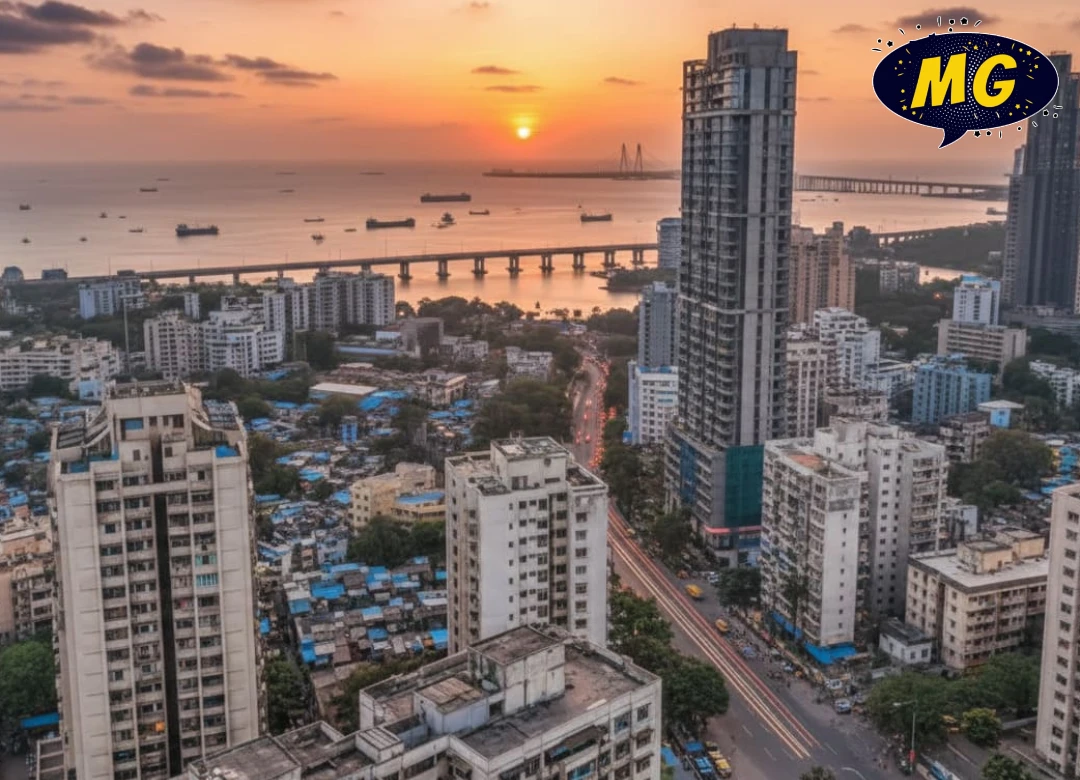
Mumbai’s skyline is no longer just about housing the masses; it is becoming a playground for the Ultra-High-Net-Worth Individuals (UHNWIs).

  • Preference for Larger Units: There has been a distinct shift from 1BHKs to spacious 3BHK and 4BHK apartments. Homebuyers in 2026 are prioritizing “lifestyle amenities” and home-office spaces, leading to higher average deal sizes.
  • Redevelopment Boom: Much of the activity in South and Central Mumbai is driven by the redevelopment of old societies. These new luxury towers come with premium price tags that significantly boost stamp duty revenue per registration.

3. Geographical Trends: The Western Suburbs Remain King

Despite the overall dip, certain micro-markets in Mumbai continue to show resilience.

  • Western Suburbs: This region remains the most active, accounting for over 55% of all registrations in January 2026. Connectivity projects like the Mumbai Metro Line 3 (Aqua Line) and the Coastal Road have turned areas like Kandivali and Borivali into residential hotspots.
  • Central Suburbs: While registrations here saw a sharper decline than the city average, price appreciation remained steady due to the scarcity of new launches.

4. Impact of Macro-Economic Factors

Why did January see an 8% dip? Several external factors played a role:

  • Interest Rate Ceiling: With the RBI maintaining a cautious stance on repo rates, home loan interest rates have hovered around the 9% mark. For the budget-sensitive “affordable” segment (homes under ₹1 crore), this has acted as a temporary deterrent.
  • Price Appreciation: Property prices in Mumbai have risen by an average of 15–20% over the last two years. This price hike has pushed many first-time buyers into the rental market or toward the Mumbai Metropolitan Region (MMR) outskirts like Thane and Navi Mumbai.

5. The Government’s Perspective: A Revenue Goldmine

For the Maharashtra state government, the January report is far from bad news. The 2% increase in stamp duty collections proves that Mumbai remains the most lucrative real estate hub in India.

The revenue generated is being aggressively funneled into Phase 2 of the Mumbai Infrastructure Overhaul, including the expansion of the Metro network and the completion of the Sewri-Worli connector. This creates a virtuous cycle: infrastructure boosts property value, which in turn boosts tax revenue.


6. Developer Strategies: Quality Over Speed

Major developers like Lodha (Macrotech), Godrej Properties, and Oberoi Realty are shifting their focus. Instead of launching multiple small projects, they are focusing on integrated townships and luxury landmark developments.

  • Ready-to-Move-In (RTMI) Premium: There is a nearly 12% price premium on completed projects compared to under-construction ones. Buyers in 2026 are willing to pay more to avoid delivery risks, contributing to the higher stamp duty figures.

7. Future Outlook: What to Expect in Q1 2026

Market analysts remain optimistic despite the January contraction.

  • Seasonal Recovery: February and March traditionally see a spike in registrations as people look to close deals before the end of the financial year.
  • Stability Over Volatility: The 8% dip is seen as a “stabilization” rather than a “crash.” It indicates a mature market where speculative buying is down, and end-user buying is the primary driver.

Conclusion: A Maturing Metropolis

The January 2026 data reflects a Mumbai that is becoming more exclusive. While the drop in units registered (11,219) might worry those looking for volume growth, the rise in stamp duty collections confirms the city’s status as a premium investment destination. Mumbai real estate is no longer just about a roof over one’s head; it is increasingly becoming a sophisticated asset class that prioritizes value and luxury over sheer numbers.

For the average buyer, the message is clear: the market is not cooling down in terms of price, only in terms of the frenetic pace of sales.


Executive Summary Checklist

  • Total Registrations: 11,219 units (8% decrease YoY).
  • Government Revenue: 2% increase in stamp duty collections.
  • Primary Driver: Rise in luxury and high-value residential transactions.
  • Key Region: Western Suburbs dominate with 55% market share.
  • Market Sentiment: Stable, with a shift toward high-quality, larger inventory.

admin

gauravshukla165@gmail.com https://madgossip.com

Leave a Reply

Your email address will not be published. Required fields are marked *

Recent News

Trending News

Editor's Picks

Qure.ai Wins Bill & Melinda Gates Foundation Grant to Boost AI Diagnostics for TB & Pneumonia

Global digital health innovator Qure.ai has been awarded a multimillion-dollar grant from the Bill & Melinda Gates Foundation aimed at accelerating the development and deployment of cutting-edge AI diagnostics to detect tuberculosis (TB) and pneumonia early — especially in under-resourced regions where access to timely medical imaging and expert clinicians is limited. The funding marks...

Why Saina Nehwal’s Retirement is the End of an Era

When Saina Nehwal first stepped onto the international stage in the mid-2000s, Indian badminton was a sport of “flashes in the pan.” We had legends like Prakash Padukone and Pullela Gopichand, but we lacked a consistent, week-in-week-out presence in the world’s top five. Saina didn’t just join the elite; she kicked the door down. On...

Apple’s Big Siri Reboot: From Voice Assistant to Full-Blown AI Chatbot

Apple is reportedly preparing one of the biggest overhauls in Siri’s history. According to industry chatter and analyst reports, Apple is exploring ways to transform Siri from a task‑based voice assistant into a conversational AI chatbot — potentially powered, at least in part, by Google’s Gemini large language models. If this shift materializes, it could...

Scientists Discover Fastest-Spinning Large Asteroid Ever Recorded

Astronomers have identified what is now believed to be the fastest‑spinning large asteroid ever observed, a discovery that is reshaping scientists’ understanding of how these rocky remnants of the early solar system behave, evolve, and survive under extreme physical stress. The finding challenges long‑standing assumptions about asteroid structure and rotation limits, and it could have...

A space where ideas grow, stories connect, and knowledge is shared to inspire curious minds across the world.

Must Read

©2024- All Right Reserved. Designed and Developed by  MadGossip

What's Hot