


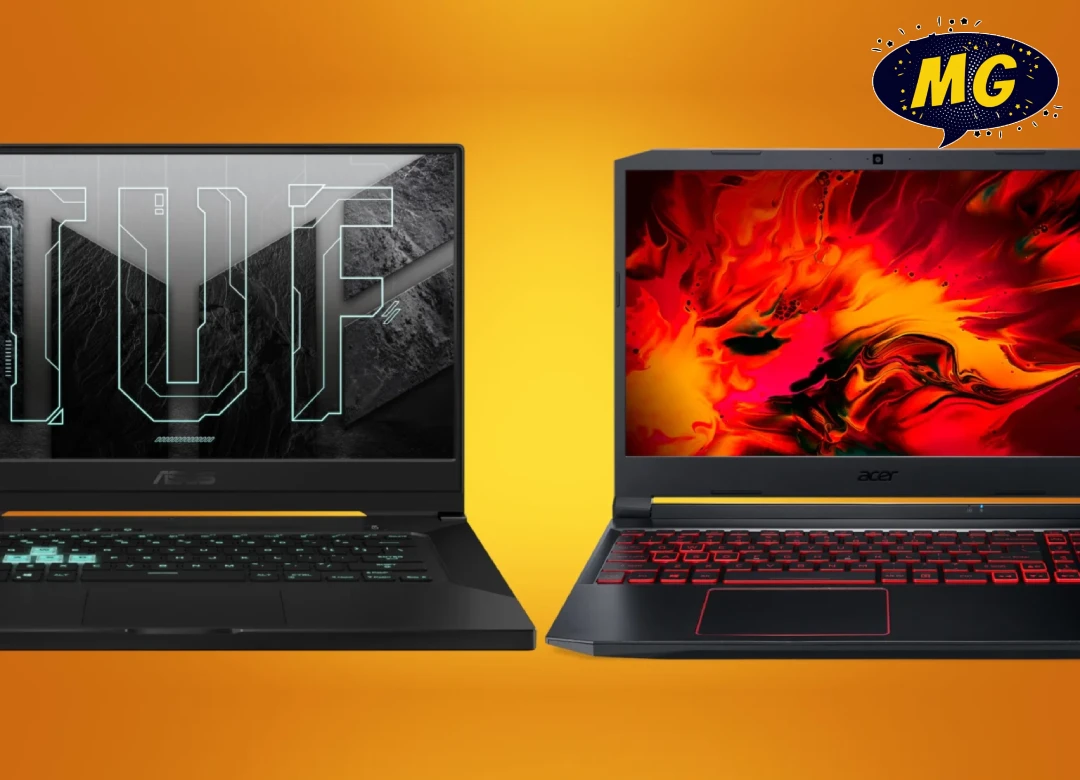
The legal battle reached its climax at the Munich Regional Court. The judges ruled that Acer and ASUS had infringed on Nokia’s patents related to the High-Efficiency Video Coding (HEVC) standard, more commonly known as H.265.
Key Takeaways from the Ruling:
- The Injunction: Acer and ASUS are prohibited from “offering, marketing, importing, or possessing” infringing devices for commercial purposes in Germany.
- Manufacturer-Specific: The ban applies directly to the manufacturers and their official online shops.
- The Retailer Loophole: Crucially, the ruling does not extend to third-party retailers (like Amazon.de, MediaMarkt, or Saturn). They can continue to sell their existing inventory until stocks run out, but they cannot restock from the manufacturers until a licensing deal is reached.
- The “Unwilling Licensee” Label: The court found that Acer and ASUS were not “willing licensees” under FRAND (Fair, Reasonable, and Non-Discriminatory) terms. This is a critical legal distinction that allowed the court to issue a hard injunction rather than just a monetary fine.
1. The Core Technology: What is HEVC (H.265)?
To understand why this ban is so devastating, we have to look at the technology itself. HEVC is the backbone of modern high-resolution media.
HEVC was designed to succeed the older H.264 (AVC) standard. It provides about 50% better data compression at the same level of video quality. Without HEVC, streaming 4K and 8K video would be nearly impossible on standard home internet connections.
Why it’s essential in PCs:
- 4K Streaming: Netflix, Disney+, and YouTube rely on HEVC to deliver ultra-high-definition content.
- Gaming: Many modern games use HEVC for high-fidelity textures and cutscenes.
- Video Editing: Professional and enthusiast creators use HEVC to manage large file sizes during the rendering process.
- Battery Life: Modern CPUs and GPUs have dedicated “hardware blocks” to decode HEVC. If this is disabled, the system has to use the general CPU (software decoding), which is significantly slower and drains battery life 3–4 times faster.
Nokia holds several “Standard Essential Patents” (SEPs) for this technology. Because HEVC is a global standard, anyone who builds a device that plays 4K video is effectively using Nokia’s “math” and must pay for the privilege.
2. The Licensing Deadlock: Why Now?
You might wonder why this is a problem in 2026 for a technology that has been around for years. The answer lies in the rising cost of entry.
In late 2025, patent pool administrators (like Access Advance) announced a 25% hike in royalty rates for HEVC. While companies like Samsung and Hisense chose to settle and sign multi-year licensing deals with Nokia in early 2026, Acer and ASUS decided to fight the rates in court, arguing that the fees were “excessive” and “discriminatory.”
The Industry-Wide Panic:
The financial pressure is so high that other giants like Dell and HP have taken a different, more controversial route. Rather than paying the royalty on every single device, they have started disabling HEVC hardware acceleration on their budget and business laptops.
- The Result: Users buy a laptop with a powerful processor, but can’t watch 4K video smoothly without the fans spinning up to max speed.
Acer and ASUS chose not to disable the feature, leading Nokia to claim they were “free-riding” on their R&D investments.
3. The German “Rocket Docket”: Why Munich?
Germany, and specifically the Munich Regional Court, has become the global battlefield for patent wars. Known as the “Rocket Docket,” German courts are famous for their speed and their willingness to grant injunctions.
Unlike in the United States, where an injunction is rarely granted if a company can simply pay damages later, German law allows patent holders to stop sales almost immediately if infringement is proven. This gives Nokia immense leverage. By shutting down Acer and ASUS in one of Europe’s largest economies, they are forcing a global settlement.
4. Impact on Consumers: What Happens Next?
If you are a consumer in Germany—or elsewhere in Europe—this ruling will have a ripple effect.
A. Immediate Shortages
As of this morning, the official German websites for ASUS and Acer are under “maintenance” or showing limited inventory. While you can still buy a Zenbook or a Predator from a local shop today, those units won’t be replaced once they’re gone. This could lead to price gouging on remaining stock.
B. The “Lesser Hardware” Risk
To get back into the market quickly, Acer and ASUS might follow Dell’s lead and push a firmware update that disables HEVC. This would allow them to argue that the devices no longer “infringe” the patent, but it would leave consumers with a crippled product that runs hot and kills battery life during video playback.
C. The Shift to AV1
This legal nightmare is accelerating the adoption of AV1, a royalty-free video codec developed by the Alliance for Open Media (which includes Google, Apple, and Microsoft).
- The Catch: While AV1 is the future, millions of hours of existing content and older hardware still require HEVC. We are in a “transition period” where hardware manufacturers are caught between a patented past and an open-source future.
5. Federalism and “Double-Dipping” Concerns
A major point of contention in the Reddit and tech forum communities (r/hardware) is the concept of double-licensing.
The chips inside these laptops—made by Intel, AMD, and NVIDIA—already have HEVC capabilities. Many argue that the patent fees should be paid by the chipmakers. However, patent holders like Nokia prefer to collect from the system integrator (Acer/ASUS) because the final sale price of a laptop is higher than a single chip, allowing them to argue for higher royalties.
This “double-dip” logic is what Acer and ASUS are fighting, claiming that the industry is being held hostage by “bureaucratic greed.”
Conclusion: A Fair Deal for Innovation?
Nokia’s stance is clear: they have invested over €150 billion in R&D since 2000, and their patents are the reason we can watch Netflix on a train. They believe they deserve a fair share. Acer and ASUS, meanwhile, see themselves as the thin line defending consumers from rising tech prices driven by “patent trolls.”
As of today, the ban remains in effect. Unless Acer and ASUS reach an “amicable agreement” (likely involving a massive check to Nokia), they will remain sidelined in Germany. For the rest of the world, this is a warning: the price of your 4K screen might just be hidden in a legal fee you never knew existed.