



What's Hot

Apple’s Touchscreen MacBook Pro Rumors Signal a New Era for Laptop Interaction

Table of Content

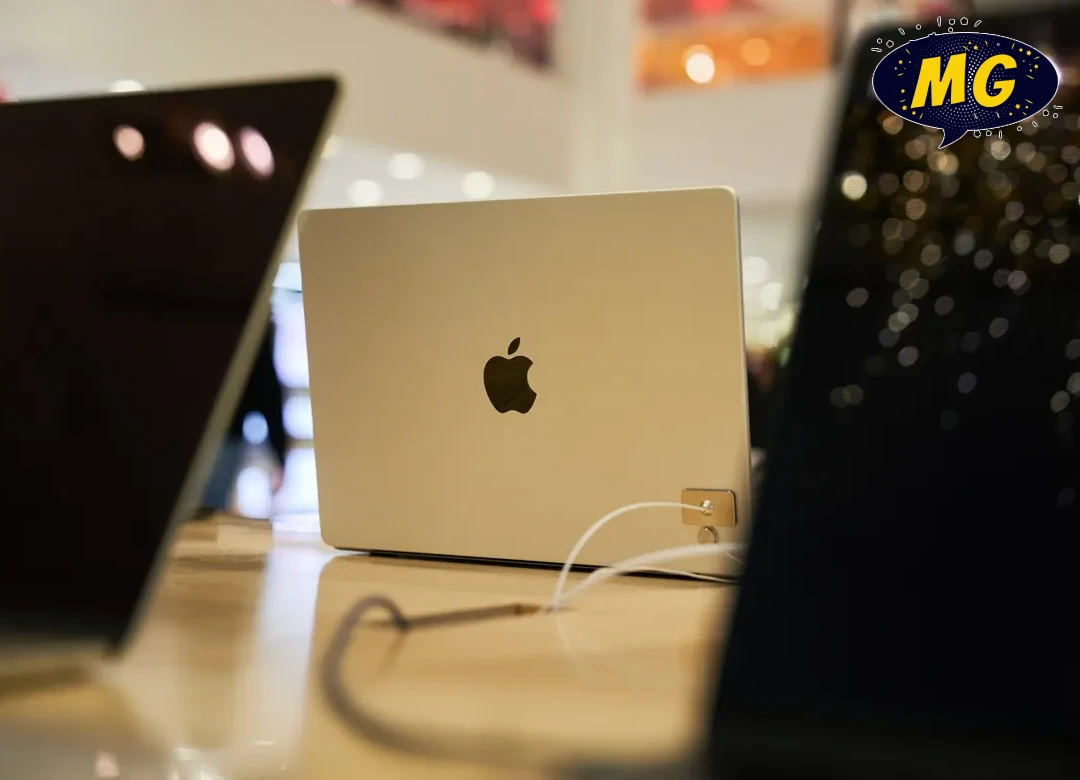
For decades, Apple has resisted adding touchscreens to its Mac lineup, arguing that traditional laptops are best operated with a keyboard and trackpad while touch is better suited for tablets. Yet fresh reports suggest that this long-standing philosophy may be shifting. According to multiple industry insiders and supply-chain analysts, Apple is actively exploring touchscreen technology for future MacBook Pro models — a move that could redefine how users interact with macOS devices.

While the company has not officially confirmed the project, the implications are significant. If Apple integrates touch into the MacBook Pro, it would signal not just a hardware upgrade but a fundamental rethink of user interaction, productivity workflows, and the convergence between laptop and tablet computing.


Why Apple Resists Touchscreens — and Why That May Change

Apple’s reluctance toward touchscreen laptops dates back to the early 2010s. Former CEO Steve Jobs famously criticized vertical touch interfaces on laptops, suggesting they were ergonomically uncomfortable and inferior to dedicated touch devices like the iPad.

Apple instead promoted a dual-device ecosystem:

  • Mac for productivity and precision tasks
  • iPad for touch-first experiences

This separation allowed Apple to optimize each platform without compromise. However, evolving user expectations and advances in hardware engineering are challenging this dichotomy.

Today’s users increasingly demand flexibility. Competitors like Microsoft and Dell have successfully marketed touchscreen laptops and hybrid devices that blend tablet and desktop experiences. Meanwhile, Apple’s own iPad Pro lineup has gained laptop-like capabilities with keyboard attachments and desktop-class processors, narrowing the gap between categories.

The rumored touchscreen MacBook Pro suggests Apple may be ready to unify these interaction paradigms.


What the Reports Suggest

Industry reports indicate Apple engineers are testing MacBook prototypes equipped with touchscreen displays and possibly OLED panels. These changes would represent a major leap from the current mini-LED displays used in recent MacBook Pro models.

Key rumored features include:

1. OLED Display Technology
OLED panels offer deeper blacks, higher contrast ratios, improved energy efficiency, and thinner display assemblies. This upgrade would enhance visual fidelity for creative professionals, photographers, and video editors.

2. Touch Input Integration
Rather than transforming macOS into a tablet-style interface, Apple is expected to enhance touch support while maintaining traditional cursor navigation.

3. Enhanced Gesture Controls
Touch could introduce intuitive gestures for:

  • timeline scrubbing in video editing
  • zooming and rotating images
  • navigating complex creative software
  • quick annotation and markup

4. Potential Apple Pencil Compatibility
Although not confirmed, speculation suggests Apple could enable Apple Pencil support, particularly for designers and illustrators who rely on precision input.


macOS and Touch: A Software Evolution

Hardware alone does not define the user experience. Integrating touch into MacBook Pro devices would require thoughtful adaptation of macOS.

Apple has gradually laid the groundwork for this shift:

  • iOS apps now run natively on Apple silicon Macs.
  • Interface elements have become more spacious and touch-friendly.
  • Gesture navigation and trackpad gestures mirror touch interactions.

Rather than redesigning macOS into a tablet OS, Apple may introduce optional touch enhancements that complement the traditional workflow.

This hybrid approach could maintain the precision professionals expect while offering new flexibility for creative and mobile use.


Impact on Creative Professionals

The MacBook Pro is widely used by creative professionals working in video production, graphic design, music, and photography. Touchscreen capability could significantly enhance workflows across industries.

Video Editing

Touch input could simplify timeline navigation, clip trimming, and scrubbing in applications like Final Cut Pro.

Graphic Design & Illustration

Direct screen interaction may improve precision and speed when working in tools such as Adobe Photoshop and Adobe Illustrator.

Music Production

Touch gestures could streamline mixing and track control in digital audio workstations like Logic Pro.

Education & Note-Taking

Touchscreen support paired with stylus input could allow handwritten notes, annotations, and document markup — blending laptop productivity with tablet flexibility.


Challenges Apple Must Overcome

Despite the potential advantages, introducing touchscreens to the MacBook Pro presents significant engineering and usability challenges.

Ergonomics and User Comfort

Extended touchscreen use on a laptop can cause arm fatigue — sometimes called “gorilla arm.” Apple must ensure touch enhances workflows rather than creating discomfort.

Battery Life Considerations

Touch digitizers and OLED displays affect power consumption. Apple will need to preserve the MacBook Pro’s renowned battery efficiency.

Software Optimization

Third-party apps may require updates to fully support touch input. Apple’s developer ecosystem would need clear guidelines and tools to ensure smooth adoption.

Product Positioning

Apple must differentiate touchscreen Macs from iPads to prevent product overlap while maintaining clear value propositions.


Competitive Landscape

If Apple launches a touchscreen MacBook Pro, it would enter an established market segment.

Devices like the Microsoft Surface Laptop Studio and Dell XPS 13 2-in-1 demonstrate strong demand for hybrid computing devices. These systems appeal to professionals and students who value versatility.

Apple’s competitive advantage would lie in:

  • tight hardware-software integration
  • Apple silicon performance efficiency
  • optimized creative workflows
  • ecosystem synergy with iPhone and iPad

Will the MacBook Become a Hybrid Device?

One major question is whether Apple intends to transform the MacBook Pro into a full hybrid device or simply add touch functionality.

Apple appears unlikely to adopt a detachable keyboard or foldable form factor in the near term. Instead, the company may pursue a touch-enhanced laptop approach rather than a convertible tablet-laptop hybrid.

This would align with Apple’s design philosophy: evolve existing paradigms rather than merge categories outright.


Timeline and Release Expectations

Supply-chain sources suggest touchscreen MacBook Pro models could arrive within the next few product cycles, potentially alongside a transition to OLED displays.

However, Apple is known for extensive prototyping and may delay release until the user experience meets its exacting standards.


What This Means for Users

If Apple introduces touchscreens to the MacBook Pro, users could gain:

  • more intuitive interaction options
  • improved creative control
  • enhanced accessibility features
  • expanded productivity workflows

At the same time, traditional keyboard-trackpad navigation will likely remain central, ensuring existing users face no learning curve.


A Turning Point for Apple’s Computing Vision

The rumored touchscreen MacBook Pro represents more than a hardware upgrade — it signals a possible shift in Apple’s computing philosophy. By blending touch interaction with desktop-class performance, Apple could bridge the gap between laptop and tablet experiences without sacrificing the strengths of either.

If executed thoughtfully, this evolution could redefine expectations for professional laptops and inspire new workflows across creative, technical, and educational domains.

While confirmation awaits an official announcement, one thing is clear: the future of personal computing continues to evolve, and Apple appears poised to reshape how we interact with our most important devices.

admin

gauravshukla165@gmail.com https://madgossip.com

Leave a Reply

Your email address will not be published. Required fields are marked *

Recent News

Trending News

Editor's Picks

Qure.ai Wins Bill & Melinda Gates Foundation Grant to Boost AI Diagnostics for TB & Pneumonia

Global digital health innovator Qure.ai has been awarded a multimillion-dollar grant from the Bill & Melinda Gates Foundation aimed at accelerating the development and deployment of cutting-edge AI diagnostics to detect tuberculosis (TB) and pneumonia early — especially in under-resourced regions where access to timely medical imaging and expert clinicians is limited. The funding marks...

Why Saina Nehwal’s Retirement is the End of an Era

When Saina Nehwal first stepped onto the international stage in the mid-2000s, Indian badminton was a sport of “flashes in the pan.” We had legends like Prakash Padukone and Pullela Gopichand, but we lacked a consistent, week-in-week-out presence in the world’s top five. Saina didn’t just join the elite; she kicked the door down. On...

Apple’s Big Siri Reboot: From Voice Assistant to Full-Blown AI Chatbot

Apple is reportedly preparing one of the biggest overhauls in Siri’s history. According to industry chatter and analyst reports, Apple is exploring ways to transform Siri from a task‑based voice assistant into a conversational AI chatbot — potentially powered, at least in part, by Google’s Gemini large language models. If this shift materializes, it could...

Scientists Discover Fastest-Spinning Large Asteroid Ever Recorded

Astronomers have identified what is now believed to be the fastest‑spinning large asteroid ever observed, a discovery that is reshaping scientists’ understanding of how these rocky remnants of the early solar system behave, evolve, and survive under extreme physical stress. The finding challenges long‑standing assumptions about asteroid structure and rotation limits, and it could have...

A space where ideas grow, stories connect, and knowledge is shared to inspire curious minds across the world.

Must Read

©2024- All Right Reserved. Designed and Developed by  MadGossip

What's Hot