





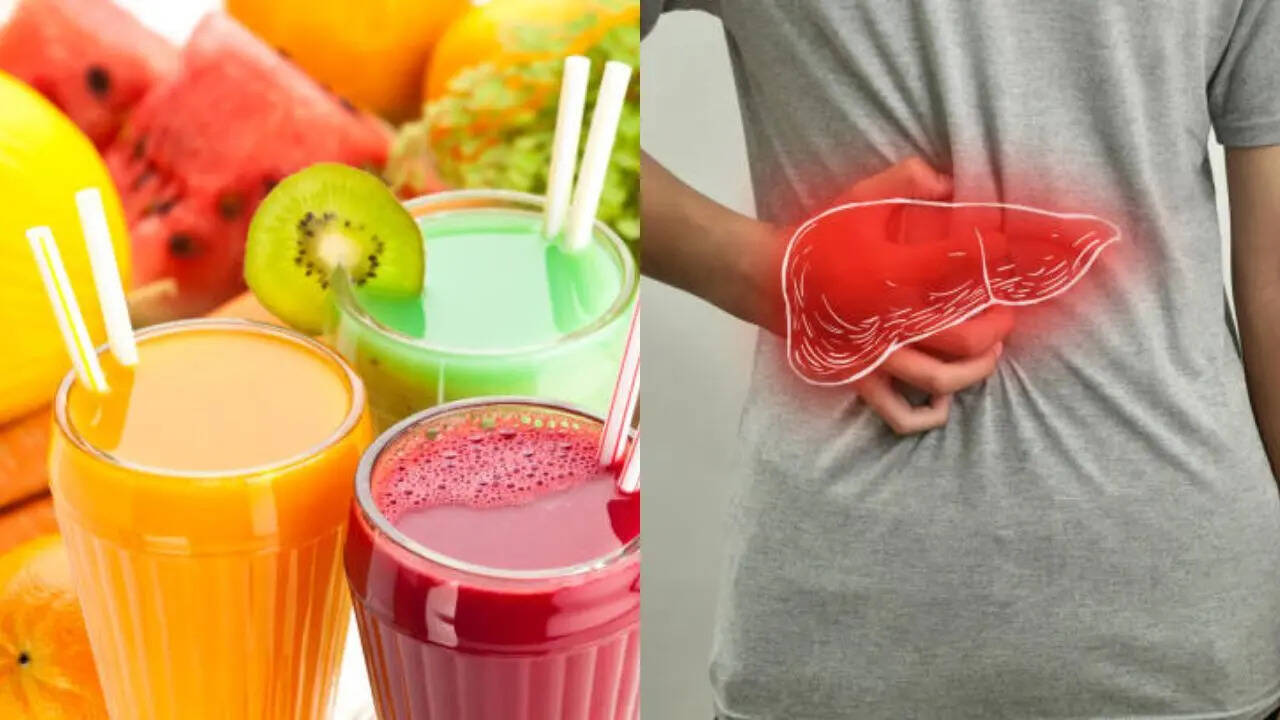
Sugary beverages have become a staple in modern diets. From soft drinks and energy drinks to sweetened fruit juices and flavored coffees, these drinks are consumed by millions of people daily. While they may taste refreshing and provide a quick burst of energy, the high amount of Fructose found in many of these beverages has raised serious concerns among scientists and health professionals.
Research over the past two decades has increasingly linked excessive fructose intake—especially from sugary drinks—to metabolic disorders such as Non‑alcoholic fatty liver disease, Obesity, and Type 2 diabetes. Understanding how fructose affects the body can help explain why sugary beverages are often singled out as a major contributor to these health issues.
Understanding Fructose: A Common Sugar in Modern Diets
Fructose is a naturally occurring sugar present in fruits, honey, and certain vegetables. In its natural form—such as in whole fruit—it is usually consumed alongside fiber, vitamins, and antioxidants that slow its absorption and reduce its impact on the body.
However, the problem arises when fructose is consumed in large quantities through processed foods and beverages. Many sugary drinks contain High‑fructose corn syrup, a sweetener widely used in the food industry because it is inexpensive and enhances flavor.
Another common source is Sucrose, which is made of roughly equal parts glucose and fructose. When beverages contain large amounts of these sugars, they deliver a concentrated dose of fructose that the body must process quickly.
Unlike glucose, which can be used by nearly every cell in the body for energy, fructose is primarily metabolized in the liver. This unique metabolic pathway is the key reason why excessive fructose consumption can lead to serious health consequences.
How the Liver Processes Fructose
When you drink a sugary beverage, the fructose it contains is rapidly absorbed into the bloodstream and transported to the liver. Unlike glucose metabolism, which is tightly regulated by insulin and cellular energy demands, fructose metabolism bypasses many of these regulatory steps.
In the liver, fructose is converted into various metabolic products. When consumed in moderate amounts, the liver can handle this process efficiently. But when large quantities of fructose are consumed regularly, the liver begins converting much of it into fat through a metabolic process known as De novo lipogenesis.
This process creates triglycerides—types of fat that can accumulate in liver cells or circulate in the bloodstream. Over time, this fat buildup can disrupt normal liver function and trigger a cascade of metabolic problems.
The Link Between Fructose and Fatty Liver Disease
One of the most direct consequences of excessive fructose intake is Non‑alcoholic fatty liver disease (NAFLD). This condition occurs when fat accumulates in the liver in people who drink little or no alcohol.
NAFLD has become one of the most common liver disorders worldwide, affecting hundreds of millions of people. Studies have shown that individuals who consume large amounts of sugar-sweetened beverages are significantly more likely to develop this condition.
The mechanism behind this relationship is relatively straightforward:
- High fructose intake increases fat production in the liver.
- Fat accumulates in liver cells.
- Chronic fat buildup triggers inflammation and liver damage.
If left untreated, fatty liver disease can progress to more severe conditions such as liver fibrosis or cirrhosis.
Sugary drinks are particularly problematic because they deliver large doses of fructose in liquid form, making it easy to consume far more sugar than the body can safely process.
How Sugary Drinks Contribute to Obesity
Another major health issue linked to high fructose intake is **Obesity. Sugary drinks contribute to weight gain in several important ways.
Liquid Calories and Low Satiety
One reason sugary beverages promote weight gain is that liquid calories do not trigger the same feeling of fullness as solid foods. When people consume calories through drinks, they often do not compensate by eating less later.
As a result, these extra calories add up quickly and contribute to a higher overall daily calorie intake.
Increased Fat Production
As discussed earlier, excess fructose is converted into fat in the liver. Some of this fat enters the bloodstream and can be stored in fat tissues throughout the body, contributing to weight gain and increased body fat.
Hormonal Effects on Hunger
Fructose may also interfere with the hormones that regulate appetite. For example, high fructose intake may disrupt the function of Leptin, which helps signal fullness to the brain. When leptin signaling is impaired, people may continue eating even when their bodies have already received enough energy.
This hormonal disruption can contribute to chronic overeating and gradual weight gain.
Fructose and the Development of Insulin Resistance
Another critical health concern associated with excessive fructose intake is Insulin resistance. This condition occurs when the body’s cells become less responsive to insulin, a hormone responsible for regulating blood sugar levels.
When insulin resistance develops, the body needs to produce more insulin to keep blood glucose levels under control. Over time, this increased demand can strain the pancreas and lead to rising blood sugar levels.
This process significantly increases the risk of developing Type 2 diabetes.
The connection between fructose and insulin resistance is closely tied to liver fat accumulation. Excess fat in the liver interferes with normal metabolic signaling, making it harder for insulin to regulate glucose levels effectively.
Why Sugary Drinks Are More Harmful Than Other Sweet Foods
Not all sources of sugar have the same metabolic impact. Sugary drinks are particularly harmful for several reasons.
First, they contain large amounts of sugar in a highly concentrated form. A single can of soda can contain 30 to 40 grams of sugar, much of it fructose.
Second, beverages are easy to consume quickly, allowing large amounts of sugar to enter the bloodstream in a short period.
Third, sugary drinks typically lack fiber, protein, and other nutrients that slow digestion and moderate blood sugar responses.
Because of these factors, sugary beverages can overwhelm the liver’s metabolic capacity more easily than other types of foods.
Whole Fruit vs Sugary Beverages
It is important to distinguish between fructose found in whole fruits and the fructose found in sugary drinks.
Whole fruits contain:
- Fiber
- Vitamins
- Minerals
- Antioxidants
Fiber slows the digestion and absorption of sugar, preventing rapid spikes in blood sugar levels and reducing the burden on the liver.
Additionally, fruits are more filling, which helps prevent excessive calorie intake.
For these reasons, eating whole fruits is generally considered healthy and is not associated with the same metabolic risks as drinking sugary beverages.
What Scientific Research Says
Numerous studies have examined the health effects of sugar-sweetened beverages. Many have found strong associations between regular consumption of these drinks and increased risk of metabolic diseases.
Public health organizations have also issued guidelines to limit added sugar intake. For example, the World Health Organization recommends that added sugars make up less than 10 percent of total daily calorie intake.
Some experts suggest that reducing sugary drink consumption could play a major role in preventing obesity, fatty liver disease, and diabetes on a global scale.
Practical Ways to Reduce Sugary Drink Consumption
Reducing sugary drink intake does not necessarily require drastic lifestyle changes. Small adjustments can significantly improve long-term health.
Replace Sugary Drinks with Healthier Options
Consider alternatives such as:
- Plain water
- Sparkling water with lemon or lime
- Unsweetened tea
- Black coffee
- Infused water with fruits and herbs
These beverages provide hydration without the excess sugar that contributes to metabolic problems.
Read Nutrition Labels
Many packaged drinks contain hidden sugars. Reading labels can help identify beverages that contain high levels of added sugars or high-fructose corn syrup.
Gradually Reduce Sugar Intake
For individuals accustomed to drinking sugary beverages regularly, gradually reducing consumption may be more sustainable than quitting abruptly.
The Bigger Picture: Diet and Lifestyle
While sugary drinks are a major contributor to metabolic disease, they are only one part of a larger dietary pattern. Poor diet quality, lack of physical activity, and excess calorie intake all play roles in the development of obesity and metabolic disorders.
Adopting a balanced diet rich in whole foods—such as fruits, vegetables, whole grains, and lean proteins—can help support metabolic health and reduce the risk of chronic disease.
Regular physical activity also plays a crucial role in improving insulin sensitivity and maintaining a healthy body weight.
Conclusion
Fructose is not inherently harmful when consumed in small amounts through natural foods like fruits. However, the high concentrations of fructose found in sugary beverages place a significant burden on the body’s metabolism.
Because fructose is processed primarily in the liver, excessive intake can lead to fat buildup, increasing the risk of fatty liver disease, obesity, and insulin resistance. Over time, these metabolic changes can contribute to the development of type 2 diabetes and other chronic health conditions.
Reducing sugary drink consumption is one of the most effective steps individuals can take to improve metabolic health. By choosing healthier beverage options and focusing on whole foods, people can significantly lower their risk of developing these increasingly common diseases.