




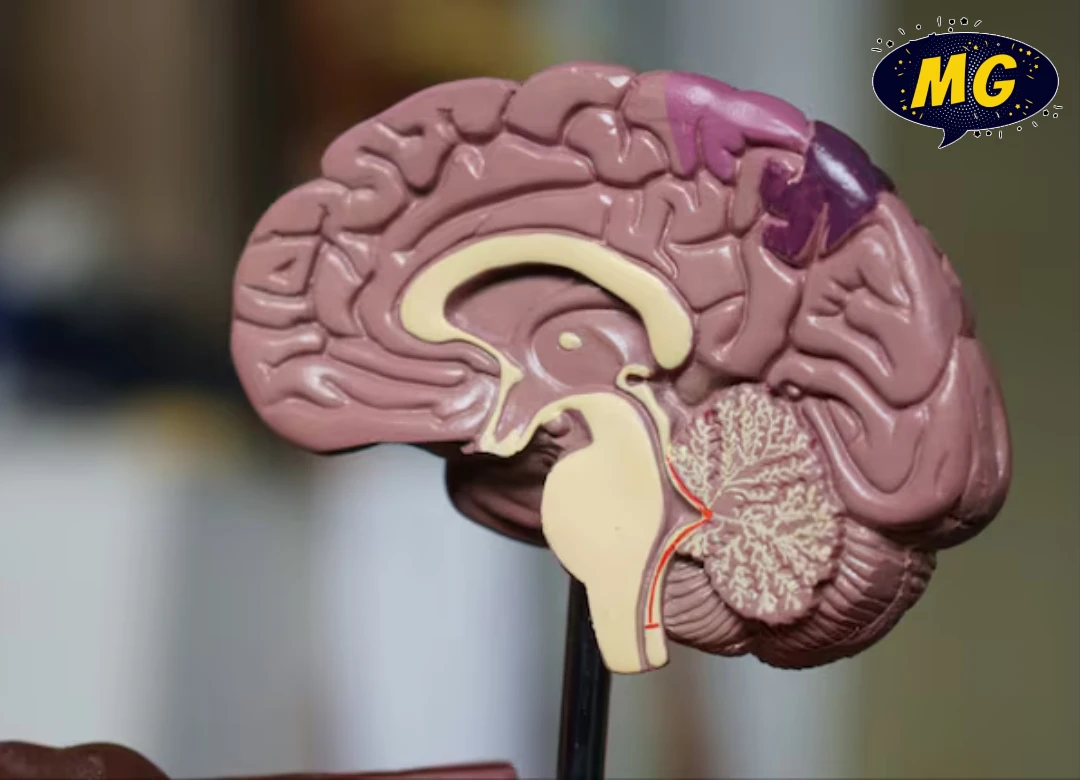
Maintaining a healthy and active brain is essential for productivity, creativity, and overall well-being. According to neuroscientists, small daily habits can significantly improve cognitive performance, memory, and mental energy. Instead of relying on complex routines or expensive supplements, experts say that a few simple lifestyle practices can help keep the brain functioning at its best.
Researchers in the field of Neuroscience emphasize that the brain thrives on consistency, proper nutrition, and stimulation. By adopting the right daily habits, people can strengthen neural connections, support memory, and reduce mental fatigue.
Here are three simple habits neuroscientists recommend practicing every day to keep the brain sharp and energized.
1. Start the Day With Physical Movement
One of the most powerful ways to boost brain function is through regular physical activity. Exercise increases blood flow to the brain, delivering oxygen and nutrients that support healthy brain cells.
Activities like walking, stretching, yoga, or light workouts can stimulate the release of brain-boosting chemicals such as dopamine and endorphins. These chemicals improve mood, enhance focus, and support learning.
A particularly effective habit is a morning walk, which not only activates the body but also helps regulate the body’s internal clock. Exposure to natural sunlight early in the day can improve alertness and support better sleep later at night.
Neuroscientists say that even 10 to 20 minutes of movement each morning can significantly improve mental clarity and energy levels throughout the day.
Exercise is also linked to the growth of new brain cells in the hippocampus, the region responsible for memory and learning. Regular movement may help reduce the risk of cognitive decline and conditions such as Alzheimer’s disease.
Simple ways to add movement to your routine include:
- Taking a brisk morning walk
- Practicing yoga or stretching
- Doing light body-weight exercises
- Cycling or jogging
The key is consistency rather than intensity.
2. Feed the Brain With the Right Nutrients
The brain consumes a large portion of the body’s energy, so the foods you eat play a major role in cognitive performance.
Experts recommend focusing on nutrient-rich foods that support brain health, including healthy fats, antioxidants, and vitamins. These nutrients help protect brain cells and improve communication between neurons.
Foods that are especially beneficial for brain function include:
- Fatty fish rich in omega-3 fatty acids
- Nuts and seeds
- Leafy green vegetables
- Berries
- Whole grains
Omega-3 fatty acids, for example, are essential for maintaining the structure of brain cells and supporting memory. Antioxidants found in berries help reduce inflammation and oxidative stress that can damage brain tissue.
Hydration is also crucial. Even mild dehydration can affect concentration and memory. Drinking enough water throughout the day helps maintain proper brain function.
Many neuroscientists also recommend limiting processed foods and excessive sugar intake, as these can lead to energy crashes and reduced cognitive performance.
A balanced diet not only fuels the body but also helps maintain stable energy levels for the brain.
3. Stimulate the Brain With Learning and Curiosity
The brain stays strong when it is challenged and stimulated regularly. Learning new skills or engaging in mentally stimulating activities can strengthen neural pathways and improve cognitive flexibility.
Activities that challenge the brain include:
- Reading books
- Solving puzzles
- Learning a new language
- Playing musical instruments
- Practicing strategic games like chess
These activities encourage the brain to create new connections between neurons, a process known as neuroplasticity.
Neuroplasticity refers to the brain’s ability to reorganize itself by forming new neural connections throughout life. This ability allows the brain to adapt, learn, and recover from challenges.
Even small daily mental exercises can make a difference. For example, spending 15 minutes reading or learning something new every day can improve focus and memory over time.
Experts also emphasize the importance of curiosity. Asking questions, exploring new ideas, and staying mentally engaged can help maintain long-term brain health.
The Importance of Quality Sleep
Although the three habits above play a major role in brain health, neuroscientists also stress the importance of good sleep.
Sleep is when the brain performs many essential maintenance processes, including clearing waste products and strengthening memories. Poor sleep can lead to reduced concentration, slower thinking, and mood changes.
Adults are generally recommended to get 7 to 9 hours of sleep each night for optimal brain function.
Establishing a consistent sleep schedule and reducing screen time before bedtime can help improve sleep quality.
Managing Stress for Better Brain Function
Chronic stress can negatively affect the brain by increasing levels of cortisol, a hormone that may impair memory and concentration when present for long periods.
Practices that help reduce stress include:
- Meditation
- Deep breathing exercises
- Spending time in nature
- Social interaction with friends and family
Mindfulness practices have been shown to improve emotional regulation and support brain health over time.
Small Habits, Big Impact
One of the most encouraging findings in brain research is that small daily habits can have a lasting impact on cognitive health.
You don’t need a complicated routine or expensive treatments to support your brain. Instead, focusing on simple actions—moving your body, eating nutritious foods, and staying mentally active—can help maintain sharp thinking and sustained energy.
These habits work together to strengthen brain networks, support memory, and improve overall mental performance.
The Long-Term Benefits
Adopting brain-healthy habits early in life may help protect cognitive function later on. Studies suggest that maintaining an active lifestyle, a healthy diet, and continuous learning can reduce the risk of age-related cognitive decline.
While genetics and other factors play a role in brain health, lifestyle choices remain one of the most powerful influences.
By practicing these simple daily habits, individuals can support their brain’s natural ability to adapt, learn, and stay energized throughout life.