


The rapid advancement of Artificial Intelligence is reshaping industries across the globe. From automation in manufacturing to intelligent software in offices, AI is changing how work is performed and how businesses operate. While the technology promises improved efficiency and innovation, it also raises important questions about job security, workforce transformation, and the future of employment.
Experts believe that AI will not simply eliminate jobs but will fundamentally transform the nature of work, creating new opportunities while requiring workers to adapt to new skills and roles.
Understanding Artificial Intelligence in the Workplace
Artificial Intelligence refers to computer systems designed to perform tasks that normally require human intelligence. These tasks include recognizing speech, analyzing data, making predictions, and even generating creative content.
Advancements in Machine Learning and Natural Language Processing have made AI systems increasingly capable of performing complex tasks once limited to humans. As a result, companies are adopting AI tools to streamline operations, reduce costs, and improve productivity.
From customer service chatbots to automated financial analysis, AI applications are expanding across nearly every industry.
Jobs Most Likely to Be Affected by AI
Certain types of jobs are more vulnerable to automation than others. Roles that involve repetitive tasks, routine data processing, or predictable workflows are particularly susceptible.
Industries where AI is already having a significant impact include:
Manufacturing and Logistics
Automation powered by AI and robotics has transformed manufacturing processes. Smart machines can now perform tasks such as assembly, quality inspection, and packaging with high precision.
Warehouse operations are also increasingly automated, with AI-driven systems managing inventory, optimizing delivery routes, and coordinating logistics.
Customer Service
Many companies now rely on AI-powered chatbots to handle customer inquiries. These systems can answer frequently asked questions, process orders, and provide support without human intervention.
While this reduces the need for large customer service teams, it also allows human agents to focus on more complex issues that require empathy and problem-solving.
Data Entry and Administrative Work
Administrative roles involving data entry, scheduling, and document processing are being streamlined through AI automation.
Software can now analyze documents, extract information, and organize data more efficiently than manual processes.
New Jobs Created by Artificial Intelligence
While AI may replace certain tasks, it is also creating entirely new categories of jobs.
As organizations adopt AI technologies, they require professionals who can design, maintain, and manage these systems. Some emerging roles include:
- AI engineers
- Data scientists
- Machine learning specialists
- AI ethics researchers
- Automation consultants
The demand for expertise in fields such as Data Science and AI development is growing rapidly as businesses integrate intelligent systems into their operations.
In addition, many existing roles are evolving rather than disappearing. Workers are increasingly collaborating with AI tools to enhance their productivity.
The Rise of Human-AI Collaboration
Instead of fully replacing humans, AI is often used to augment human capabilities. This collaboration allows workers to focus on creative, strategic, and interpersonal tasks while machines handle repetitive or data-heavy work.
For example:
- Doctors can use AI to analyze medical images more accurately.
- Financial analysts can rely on AI tools to process large datasets quickly.
- Writers and designers can use AI tools to generate ideas and draft content.
This partnership between humans and machines may lead to higher productivity and better decision-making.
Skills Needed in the AI Era
As AI reshapes the job market, the skills required for many careers are also evolving.
Workers may need to focus on developing abilities that complement AI technologies, including:
Critical Thinking and Problem-Solving
AI can analyze data and generate recommendations, but humans remain essential for interpreting results and making strategic decisions.
Creativity
Creative thinking, innovation, and artistic expression are areas where human abilities remain difficult to replicate.
Emotional Intelligence
Jobs that involve empathy, leadership, and social interaction—such as healthcare, education, and management—are less likely to be fully automated.
Digital and Technical Skills
Understanding digital tools and AI systems will become increasingly valuable in many professions.
The Challenge of Job Displacement
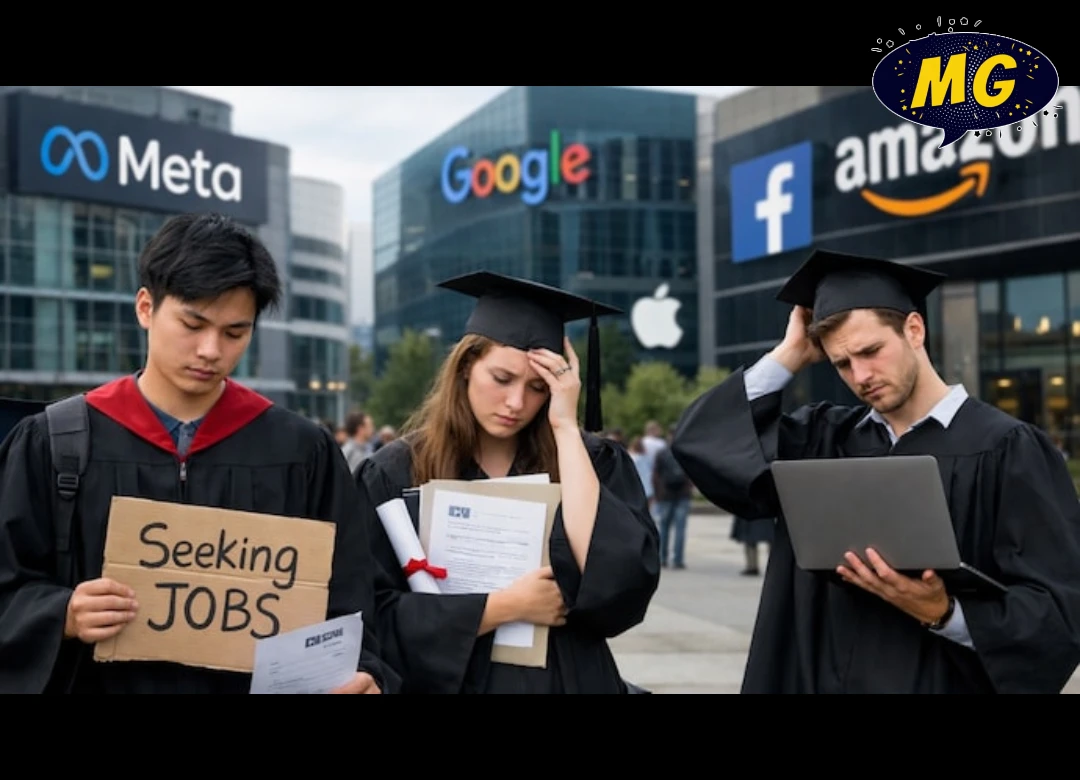
Despite the benefits of AI, job displacement remains a major concern.
Some workers may face difficulties transitioning to new roles as automation replaces traditional jobs. This is particularly true for industries where large numbers of routine tasks can be automated.
Governments and organizations are therefore focusing on reskilling and upskilling programs to help workers adapt to technological changes.
Education systems are also evolving to emphasize skills that will remain relevant in an AI-driven economy.
Economic and Social Implications
The impact of AI on employment extends beyond individual jobs. It could also reshape economic structures and social systems.
Potential effects include:
- Increased productivity and economic growth
- Changes in income distribution
- New forms of remote and digital work
- Greater reliance on technology-driven industries
Some economists have suggested that policies such as universal basic income or expanded training programs may be necessary to support workers during periods of technological transition.
Ethical Considerations
The widespread adoption of AI also raises ethical questions about fairness, accountability, and transparency.
Organizations must consider how AI decisions affect workers and ensure that automated systems do not reinforce bias or inequality.
Researchers and policymakers are increasingly focusing on responsible AI development to ensure that technological progress benefits society as a whole.
The Future of Work in an AI-Driven World
While the exact impact of AI on employment remains uncertain, most experts agree on one point: the future of work will involve greater interaction between humans and intelligent machines.
Rather than eliminating all jobs, AI is likely to reshape industries, create new career paths, and transform how people approach their work.
Workers who embrace lifelong learning and adaptability will be better positioned to thrive in this changing landscape.
Conclusion
Artificial Intelligence is rapidly transforming the global workforce. By automating routine tasks and enhancing decision-making capabilities, AI is improving efficiency across industries. At the same time, it is creating new opportunities while challenging traditional employment models.
The key to navigating this transformation lies in adaptability. As technology continues to evolve, individuals, businesses, and governments must work together to ensure that the benefits of AI are shared widely and that workers are prepared for the opportunities and challenges of the future.