




As artificial intelligence continues to evolve rapidly, concerns have grown that AI tools could eventually replace traditional software companies. However, many technology firms are now pushing back against these fears, arguing that AI will transform the software industry rather than eliminate it.
Executives and industry leaders from companies such as Microsoft, Salesforce, and Adobe say artificial intelligence is becoming an essential component of modern software—not a replacement for it.
Why People Think AI Could Replace Software
The rapid development of generative AI systems has sparked debate about the future of traditional software applications.
AI tools can now perform tasks that once required dedicated software, including:
- Writing code
- Designing graphics
- Analyzing data
- Generating reports
- Automating workflows
Because of this, some analysts believe AI assistants could replace certain applications by allowing users to simply ask an AI to perform tasks instead of using specialized programs.
However, software companies say this interpretation misunderstands how AI actually works in practice.
AI Still Needs Software Platforms
Industry leaders argue that AI systems still rely heavily on traditional software infrastructure.
AI models need platforms, applications, and tools to operate effectively. Without software frameworks, AI would not be able to connect with databases, manage workflows, or interact with users.
Companies emphasize that AI will likely become embedded within software products rather than replacing them entirely.
For example, many existing applications are already incorporating AI features directly into their platforms.
Software Is Evolving, Not Disappearing
Instead of eliminating software, artificial intelligence is expected to change how applications are designed and used.
Many companies are transforming their products into AI-powered platforms that combine traditional tools with intelligent assistants.
For example:
- Microsoft has integrated AI copilots across its productivity software.
- Adobe has added generative AI capabilities to creative tools.
- Salesforce uses AI to automate customer relationship management tasks.
These developments show how AI can enhance software rather than replace it.
The Rise of AI-Powered Assistants
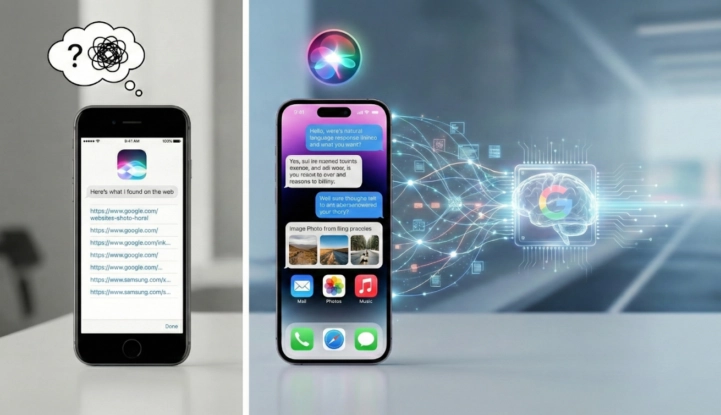
One major change in the software industry is the rise of AI assistants that help users interact with applications more efficiently.
Instead of navigating complex menus or interfaces, users can simply describe what they want to achieve.
For example, someone might ask an AI assistant to:
- Create a marketing report
- Edit an image
- Analyze sales data
- Generate a presentation
The AI then uses underlying software tools to complete the task.
This approach simplifies workflows while still relying on powerful software systems behind the scenes.
Developers Are Still Essential
Another reason software companies believe AI will not replace them is that software development itself still requires human expertise.
Although AI can help write code or automate some programming tasks, developers are still needed to:
- Design system architecture
- Ensure security and reliability
- Maintain infrastructure
- Improve performance
- Build new applications
In fact, AI tools may actually increase demand for developers by accelerating innovation and making it easier to build complex systems.
The Business Opportunity for Software Companies
Many software companies see AI as an opportunity rather than a threat.
By integrating AI capabilities into their products, companies can:
- Offer smarter features
- Improve productivity for users
- Create new services
- Expand into new markets
AI-powered tools can also generate new revenue streams through subscriptions and premium features.
As a result, many companies are investing heavily in AI research and development.
Challenges and Concerns
Despite the optimism from software companies, there are still challenges associated with the rise of AI.
Some concerns include:
- Job displacement in certain roles
- Ethical issues related to AI-generated content
- Data privacy and security risks
- Overreliance on automated systems
Companies will need to address these issues carefully as AI becomes more integrated into everyday tools.
The Future of the Software Industry
Experts believe the future of software will involve a hybrid model combining traditional applications and AI-driven interfaces.
Instead of replacing software, AI could make programs more intelligent and easier to use.
Applications may evolve into platforms where users interact primarily through conversational interfaces, while powerful software systems handle the complex processing behind the scenes.
This shift could dramatically change how people interact with technology.
Conclusion
While fears persist that artificial intelligence could disrupt the software industry, many companies argue that AI will ultimately strengthen rather than destroy it.
By embedding AI capabilities into their products, software companies are transforming their platforms into smarter, more powerful tools that enhance productivity and creativity.
Rather than replacing software, artificial intelligence may simply mark the next stage in its evolution—one where intelligent systems and human developers work together to build the digital tools of the future.