



परिचय
Perplexity AI ने iOS प्लेटफॉर्म पर अपना नया Comet ब्राउज़र लॉन्च किया है। दिलचस्प बात यह है कि यह ब्राउज़र डिफ़ॉल्ट रूप से Google सर्च का उपयोग करता है, बजाय अपने खुद के AI सर्च इंजन के।
यह कदम एक व्यावहारिक रणनीति को दर्शाता है—जहां पारंपरिक सर्च की ताकत को AI के साथ जोड़कर एक बेहतर अनुभव दिया जा रहा है।
Google सर्च को डिफ़ॉल्ट क्यों चुना गया
आम तौर पर उम्मीद थी कि Comet अपने AI सर्च को प्राथमिकता देगा, लेकिन iOS वर्जन में Google को डिफ़ॉल्ट रखा गया है।
इसके पीछे मुख्य कारण:
- लोकल और नेविगेशन सर्च में Google की मजबूत पकड़
- रेस्टोरेंट, दिशा-निर्देश और सेवाओं के लिए तेज़ रिजल्ट
- रियल-टाइम और ट्रांजैक्शनल सर्च में बेहतर प्रदर्शन
Aravind Srinivas (CEO, Perplexity AI) ने भी स्वीकार किया कि मोबाइल पर इन मामलों में Google बेहतर काम करता है।
Comet ब्राउज़र कैसे काम करता है
Comet ब्राउज़र AI को सीधे ब्राउज़िंग अनुभव में जोड़ता है।
मुख्य फीचर्स:
- रियल-टाइम AI असिस्टेंट
- वेब पेज का सार (summarization)
- वॉइस सर्च और कमांड
- ईमेल ड्राफ्टिंग और फॉर्म भरने जैसी सुविधाएं
यह सर्च को बदलने के बजाय उसे और स्मार्ट बनाता है।
हाइब्रिड सर्च अनुभव
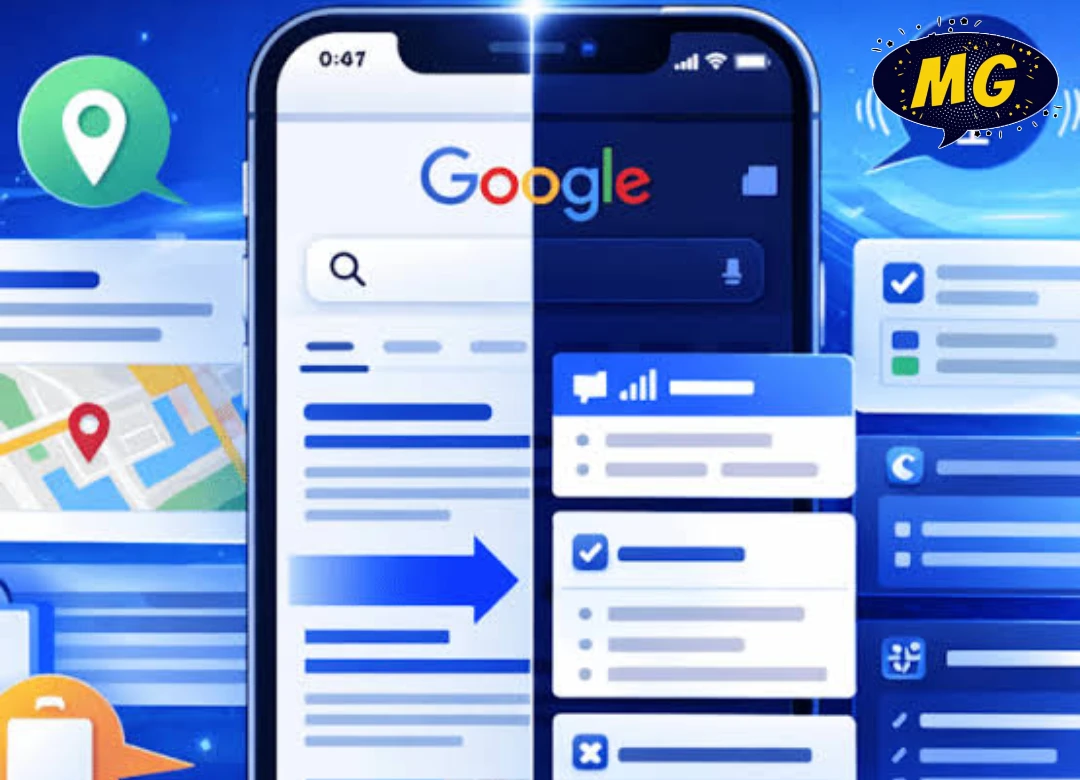
Comet एक नया “हाइब्रिड सर्च” मॉडल पेश करता है:
- Google सर्च → सामान्य क्वेरी और नेविगेशन
- Perplexity AI → AI आधारित सार, विश्लेषण और कार्य
AI क्या कर सकता है:
- आर्टिकल का सार निकालना
- अलग-अलग टैब्स से जानकारी तुलना करना
- रिसर्च या बुकिंग जैसे कार्य पूरे करना
यह स्पीड और इंटेलिजेंस का संतुलन देता है।
Perplexity की रणनीति में बदलाव
यह फैसला एक बड़े बदलाव को दर्शाता है।
Perplexity AI अब:
- सीधे Google से मुकाबला नहीं कर रहा
- Google की ताकत का उपयोग कर रहा है
- AI आधारित प्रोडक्टिविटी पर ध्यान दे रहा है
यह स्वीकार करता है कि मोबाइल पर Google को पूरी तरह बदलना आसान नहीं है।
यह क्यों महत्वपूर्ण है
Comet का लॉन्च टेक इंडस्ट्री में एक बड़े ट्रेंड को दिखाता है।
मुख्य संकेत:
- AI ब्राउज़र सर्च को रिप्लेस नहीं, बल्कि बेहतर बना रहे हैं
- हाइब्रिड मॉडल भविष्य बन सकता है
- यूज़र्स को स्पीड और स्मार्टनेस दोनों मिलती हैं
AI ब्राउज़र में प्रतिस्पर्धा
Comet ऐसे समय में आया है जब AI ब्राउज़िंग स्पेस तेजी से बढ़ रहा है।
मुख्य प्रतिस्पर्धी:
- Google Chrome
- Microsoft Edge
Comet खुद को एक “लेयर” के रूप में अलग करता है, जो सर्च के ऊपर AI जोड़ता है।
ब्राउज़िंग का भविष्य
Comet का iOS लॉन्च यह संकेत देता है कि भविष्य में ब्राउज़िंग कुछ इस तरह हो सकती है:
- ब्राउज़र के अंदर ही AI ऑटोमेशन
- पर्सनलाइज्ड सर्च अनुभव
- शॉपिंग, बुकिंग और रिसर्च का आसान निष्पादन
- AI और वेब कंटेंट का गहरा इंटीग्रेशन
निष्कर्ष
Perplexity AI का Comet ब्राउज़र एक अनोखा दृष्टिकोण अपनाता है—जहां Google सर्च को आधार बनाकर उस पर AI की परत जोड़ी जाती है।
यह दिखाता है कि आज के इंटरनेट में पारंपरिक सर्च अभी भी महत्वपूर्ण है, लेकिन AI तेजी से यूज़र इंटरैक्शन को बदल रहा है।
Comet का यह हाइब्रिड मॉडल ब्राउज़िंग के अगले चरण की ओर इशारा करता है—जहां सर्च और AI मिलकर अनुभव को और तेज, स्मार्ट और उपयोगी बनाते हैं।