




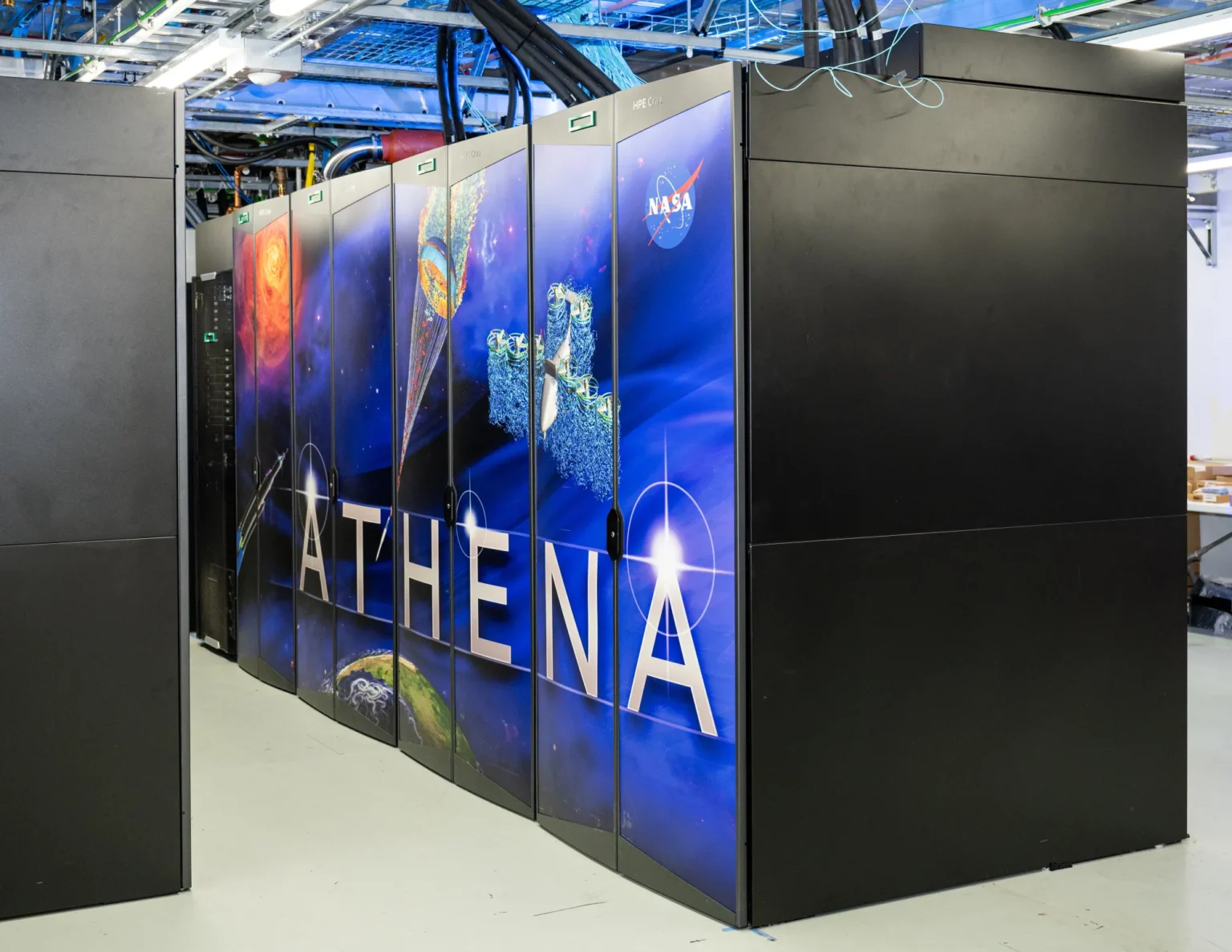
NASA has taken a monumental step forward in high-performance computing with the launch of Athena, its most powerful and efficient supercomputer ever built. Unveiled in January 2026 and now available to researchers, Athena surpasses all previous NASA systems in both raw computational prowess and operational efficiency, making it a critical tool for advancing space exploration, aeronautics research, artificial intelligence development, and scientific discovery across a wide range of disciplines.
Housed at the Modular Supercomputing Facility at NASA’s Ames Research Center in California’s Silicon Valley, Athena offers cutting-edge performance and flexibility within NASA’s larger High-End Computing Capability (HECC) portfolio, supporting missions where complex simulations and tremendous data processing power are essential.
What Makes Athena Stand Out
Record-Setting Performance
Athena delivers over 20 petaflops of peak performance—that means it can perform quintillions (millions of billions) of calculations per second, far exceeding the abilities of NASA’s earlier supercomputers like Aitken and Pleiades.
To put this into perspective:
- Complex weather or climate models rely on massive numerical simulations.
- Rocket launch and re-entry calculations can require extraordinary precision and computational power.
- High-resolution fluid dynamics (such as air flow over spacecraft) can involve billions of individual calculations.
With Athena’s increased power, scientists and engineers can run larger, more detailed simulations faster and with greater accuracy than ever before—helping NASA tackle everything from planetary science to next-generation aircraft design.
Efficiency and Cost Savings
While raw computing power is crucial, efficiency is equally important—especially for an organization managing extensive and sustained computational workloads. Athena is designed to be significantly more energy efficient than its predecessors, reducing NASA’s utility costs and environmental footprint while increasing accessible computing hours for researchers.
NASA’s strategy involves a hybrid computing approach that blends Athena’s capabilities with other computation environments, including commercial cloud platforms, enabling researchers to choose the most effective and cost-efficient platform for their specific projects.
This modular flexibility positions NASA to scale computing resources dynamically as mission requirements evolve—a necessity for long-term goals like Mars exploration and global climate modeling.
Advanced Architecture and Hybrid Capability
Athena’s architecture combines cutting-edge hardware with scalable, flexible software that supports a broad range of computational tasks, including:
- Large-scale simulations for aeronautics and propulsion systems
- Machine learning and artificial intelligence model training on massive datasets
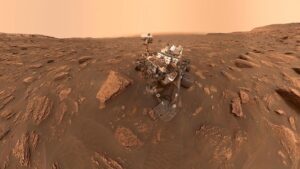
- Planetary science data analysis from missions like Mars rovers and deep-space probes
Unlike general-purpose computing, supercomputers like Athena excel at parallel processing—breaking large problems into thousands of tasks that run simultaneously across many cores and nodes. Athena’s configuration includes thousands of interconnected cores and hundreds of terabytes of memory to facilitate this kind of clever division of labor.
The Name and Its Meaning
The supercomputer’s name—Athena—was selected through an internal naming contest among HECC staff at NASA. It references the Greek goddess of wisdom and strategic warfare, who also served as the half-sister to Artemis, the namesake of NASA’s lunar exploration program. This symbolic choice reflects Athena’s role in combining computational intelligence with strategic scientific pursuits, underpinning NASA’s mission to expand the horizons of human knowledge.
How NASA Will Use Athena
Athena’s capabilities will be applied across multiple NASA mission areas:
1. Space Exploration and Mission Planning
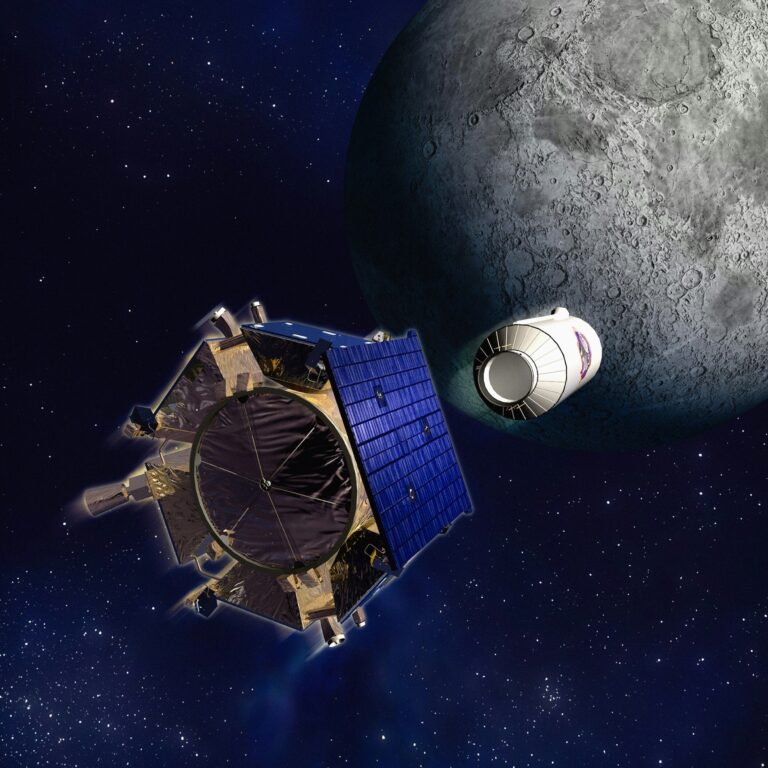
Simulations of spacecraft behavior during launch, orbital insertion, surface landings, and other mission phases require fine precision. Athena’s computing power enables researchers to model these events at unprecedented detail, helping reduce risk and improve mission success rates.
2. Climate and Earth System Science
As Earth’s climate continues to change rapidly, supercomputers like Athena play a central role in global climate modeling—processing terabytes of satellite, oceanographic, and atmospheric data to project future trends, assess ecosystem impacts, and inform policymakers.
3. Aeronautics Research
Next-generation aircraft designs demand sophisticated simulations involving turbulence, fluid dynamics, and propulsion. Athena enables high-fidelity aerodynamics modeling that can lead to more efficient, quieter, and safer aircraft.
4. Artificial Intelligence and Data Analysis
Astronomical missions generate enormous datasets—whether mapping the surfaces of other planets, probing deep space for exoplanets, or studying cosmic phenomena. Athena supports large-scale AI model training and big data analytics, speeding discovery across these domains.
By enabling advanced generative and analytical AI tools, Athena enhances NASA scientists’ ability to extract meaningful insights from vast seas of data.
Who Can Use Athena
While Athena primarily serves NASA researchers, it is also available to external scientists and researchers working on NASA programs through a competitive allocation process. Qualified individuals and research teams can apply for access time on the system, expanding the reach of its computational power beyond NASA’s core workforce.
This inclusive approach allows academic institutions, industry partners, and international collaborators to contribute cutting-edge insights to global science and exploration efforts.
Context: The History of NASA Supercomputing
NASA has a long legacy of pushing the limits of computational science:
- Columbia, one of NASA’s early supercomputers, was a landmark system in the early 2000s, achieving tens of teraflops of performance and dramatically expanding NASA’s computational capacity for a wide range of scientific programs.
- Electra and Aitken continued that evolution through the 2010s and early 2020s, enabling increasingly complex simulations with improved efficiency.
- Pleiades, until its decommissioning in late 2025, was one of NASA’s flagship systems, providing critical support for aeronautics, astrophysics, and Earth science missions.
Athena represents the next significant leap in this lineage, delivering vastly increased performance while meeting modern demands for energy efficiency and AI-ready computing architectures.
Why This Matters Beyond NASA
Large-scale supercomputers like Athena aren’t just about raw speed—they are foundational research engines that drive innovation in fields as diverse as climate science, materials research, drug discovery, and artificial intelligence. While other global supercomputing projects may focus on world-record performance (for example, DOE systems like El Capitan reaching exascale performance), NASA’s Athena is tailored to the unique demands of space and Earth science missions.
In many ways, Athena strengthens NASA’s ability to lead in computational science at a time when data volumes are exploding and modeling complexity continues to grow.
Challenges and Future Prospects
Deploying and maintaining a modern supercomputer involves substantial challenges:
- Cooling and energy management are critical concerns for systems with extremely dense configurations.
- Software optimization is needed to ensure that simulations and AI workloads fully leverage Athena’s architecture.
- Training and access policies must balance high demand with fair allocation of limited computing time.
However, NASA’s hybrid approach—blending supercomputing with scalable cloud resources—helps address these challenges by matching workloads to the most appropriate environment.
Looking ahead, NASA plans continued investment in high-end computing, aiming to improve performance, efficiency, and accessibility, ensuring that future scientific breakthroughs remain within reach.
Conclusion: A Computational Foundation for Discovery
Athena stands as a powerful symbol of NASA’s commitment to pushing the frontiers of science, engineering, and computational innovation. With its unparalleled combination of performance, efficiency, and flexibility, the supercomputer will be central to advancing missions that range from exploring distant worlds to understanding Earth’s complex climate system.
As humanity’s ambitions expand into space and data-driven discovery becomes ever more essential, systems like Athena are not merely tools — they are engines of exploration, enabling scientists and engineers to ask bigger questions and find deeper answers.