




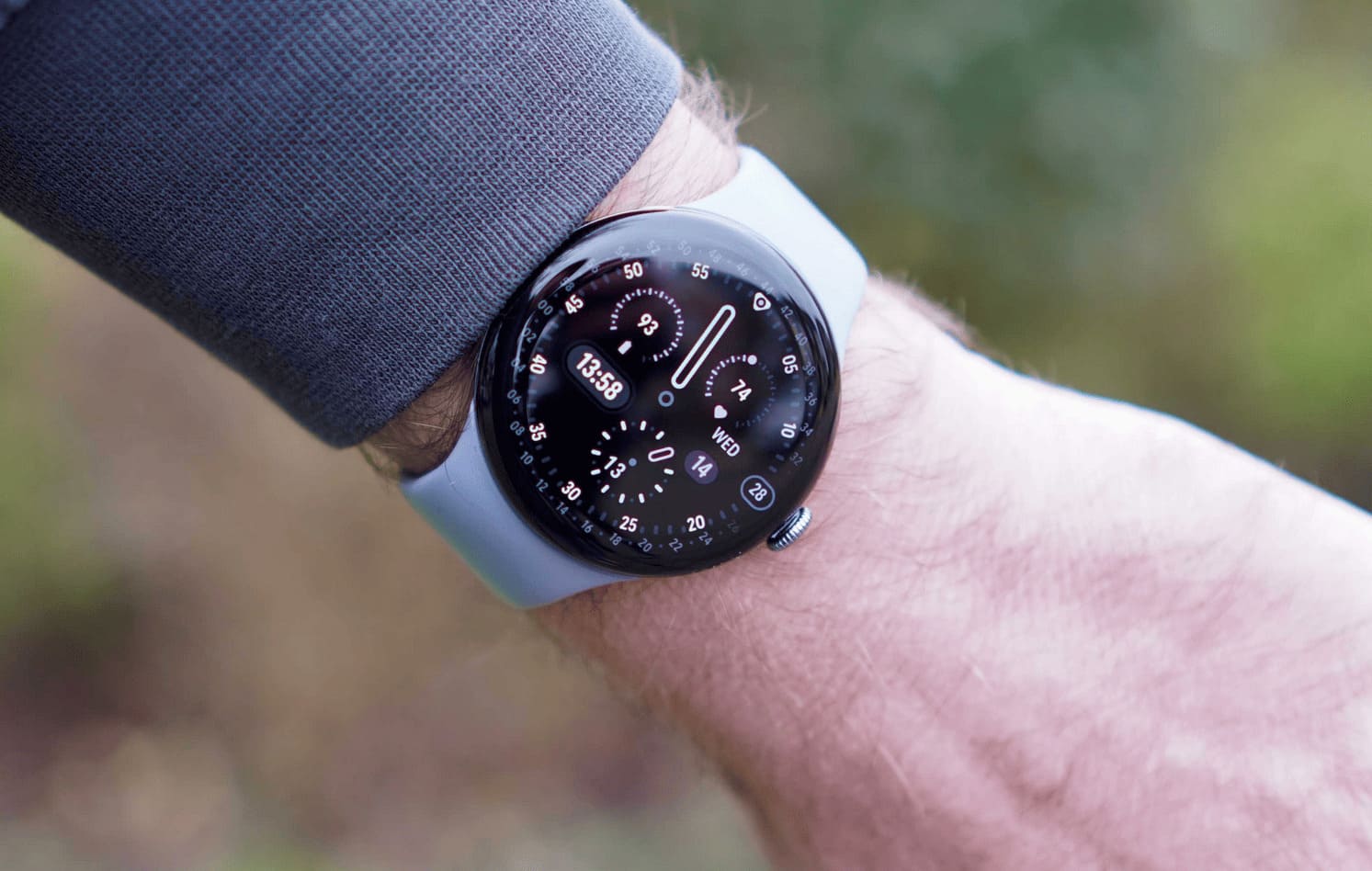
In a significant step toward improving personal safety through wearable technology, Google has upgraded its earthquake alert system on Wear OS, enabling smartwatches to deliver timely seismic warnings — even when a connected smartphone isn’t nearby. The update marks a major evolution in how early-warning systems function, bringing life-saving alerts directly to users’ wrists and expanding accessibility during emergencies.
This enhancement builds upon Google’s earthquake detection framework, which has been active on Android phones for several years. By extending functionality to Wear OS devices, Google is reinforcing its commitment to leveraging everyday technology for disaster preparedness and public safety.
Why Earthquake Alerts Matter
Earthquakes strike without warning, often leaving little time to react. However, early-warning systems can detect seismic waves before the strongest shaking arrives. Even a few seconds of advance notice can help people:
- Move to safer areas
- Take cover under sturdy furniture
- Halt vehicles safely
- Avoid hazardous zones such as elevators or glass structures
By bringing alerts to smartwatches, Google ensures users receive warnings even when their phones are out of reach, muted, or disconnected.
Wear OS Earthquake Alerts: What’s New?
Alerts Without a Phone Connection
Previously, Wear OS watches relied heavily on a paired smartphone for notifications. The upgraded system allows compatible smartwatches to receive earthquake alerts independently through Wi-Fi or LTE connectivity.
This means users jogging outdoors, commuting, or leaving their phones behind can still receive critical warnings.
Faster, Wrist-Based Notifications
Wearable alerts deliver strong vibration patterns, audible tones, and on-screen instructions. Because watches are worn directly on the body, users are more likely to notice alerts immediately compared to phone notifications buried in pockets or bags.
Real-Time Seismic Detection Integration
The system integrates with Google’s broader earthquake detection network, which uses data from global seismic sensors and crowdsourced smartphone accelerometer readings. When seismic activity is detected, alerts are pushed within seconds to affected regions.
Offline Preparedness & Cached Alerts
In some scenarios, network connectivity may be unstable during disasters. The upgraded system can store safety guidance and emergency instructions locally, ensuring users still receive actionable steps even if connectivity drops.
Clear Safety Instructions on Screen
When an alert triggers, the smartwatch displays concise safety instructions such as:
- “Drop, Cover, and Hold On”
- Stay away from windows
- Move to open space if outdoors
- Avoid doorways and elevators
This guidance helps prevent panic and encourages safer responses.
How Google’s Earthquake Detection System Works
Unlike traditional earthquake alert systems that rely solely on seismic stations, Google’s system combines:
- Global seismic monitoring networks
- Smartphone accelerometer data
- Machine learning algorithms to verify tremors
- Rapid alert distribution via Google services
When many Android devices detect motion consistent with seismic activity, the system triangulates the epicenter and magnitude. If thresholds are met, alerts are issued to affected regions.
Wear OS now acts as an additional endpoint, improving reach and responsiveness.
Where the Alerts Are Available
Google’s earthquake alerts are currently supported in several earthquake-prone regions worldwide. Availability may vary depending on local infrastructure and government partnerships.
Regions with active or expanding coverage include:
- United States (notably California and the West Coast)
- Japan
- Indonesia
- Turkey
- Mexico
- Parts of South America
- Select regions in South and Southeast Asia
As the system expands, more countries are expected to gain access to wearable earthquake alerts.
Why Wearables Improve Emergency Response
Smartwatches are uniquely positioned to enhance safety systems due to their:
✔ Constant physical contact with users
✔ Immediate vibration feedback
✔ Always-on connectivity
✔ Quick-glance information display
✔ Independence from phone access
During emergencies, people often cannot reach their phones quickly. Wrist alerts eliminate this delay.
Safety Guidance: What to Do When an Alert Appears
When you receive an earthquake alert:
Indoors:
- Drop to the ground
- Take cover under sturdy furniture
- Hold on until shaking stops
- Stay away from windows and heavy objects
Outdoors:
- Move to an open area away from buildings and power lines
In a Vehicle:
- Pull over safely
- Avoid bridges and overpasses
- Stay inside until shaking ends
Wear OS alerts reinforce these instructions directly on the watch screen.
Impact on Battery and Performance
Google has optimized the alert system to ensure minimal battery consumption. Earthquake detection relies on remote seismic analysis rather than continuous watch-based monitoring, meaning the smartwatch only activates alerts when necessary.
Users should not expect noticeable battery drain due to this feature.
Privacy and Data Security
Google states that earthquake alerts rely on anonymized motion data and aggregated seismic readings. Individual users are not tracked, and personal data is not shared publicly. The system prioritizes safety while maintaining privacy protections.
Wear OS Continues Expanding Safety Features
This upgrade is part of a broader trend toward health and safety innovations in wearables. Recent advancements in smartwatch ecosystems include:
- Fall detection
- Heart rhythm monitoring
- Emergency SOS features
- Crash detection
- Location sharing during emergencies
By adding earthquake alerts, Wear OS strengthens its role as a personal safety companion.
How It Compares to Phone-Based Alerts
| Feature | Phone Alerts | Wear OS Alerts |
|---|---|---|
| Immediate tactile feedback | ❌ | ✅ |
| Works without phone nearby | ❌ | ✅ |
| Always accessible | ❌ | ✅ |
| Loud alarm & vibration | ✅ | ✅ |
| Quick glance safety steps | ❌ | ✅ |
The wearable advantage lies in immediacy and accessibility.
The Future of Earthquake Warning Technology
Google’s move signals a future where wearable devices act as real-time safety tools. Potential future enhancements may include:
- Automatic emergency contact alerts
- Integration with smart home safety systems
- Location-specific evacuation guidance
- Enhanced disaster alerts beyond earthquakes
As technology evolves, wearables may become central to public safety infrastructure.
Why This Upgrade Matters
Natural disasters remain unpredictable, but preparedness saves lives. Google’s Wear OS earthquake alert upgrade:
✔ Improves early warning delivery
✔ Ensures alerts reach users without phones
✔ Provides actionable safety guidance
✔ Expands accessibility of disaster alerts
✔ Enhances personal safety through wearables
Even seconds of warning can make a critical difference.
Final Thoughts
By upgrading earthquake alerts on Wear OS, Google is transforming smartwatches into life-saving safety tools. The ability to receive warnings directly on the wrist — independent of a smartphone — ensures that users remain informed and prepared during seismic emergencies.
As wearable technology continues to evolve, features like these highlight the growing role of smart devices in safeguarding lives. For users in earthquake-prone regions, this update is more than just a software improvement — it’s a meaningful advancement in personal safety and disaster readiness.