


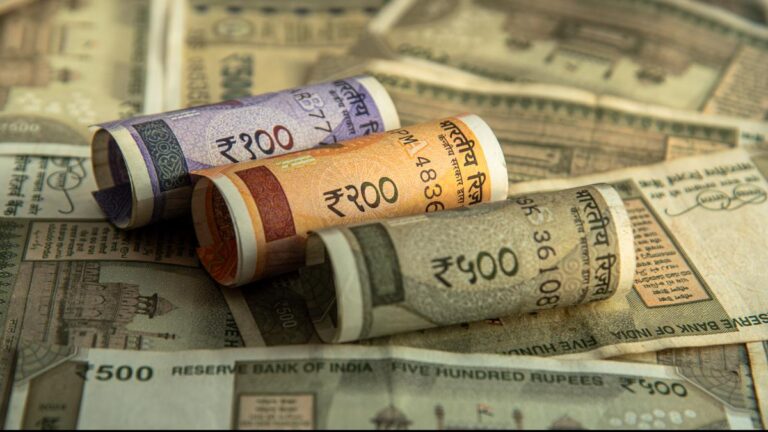

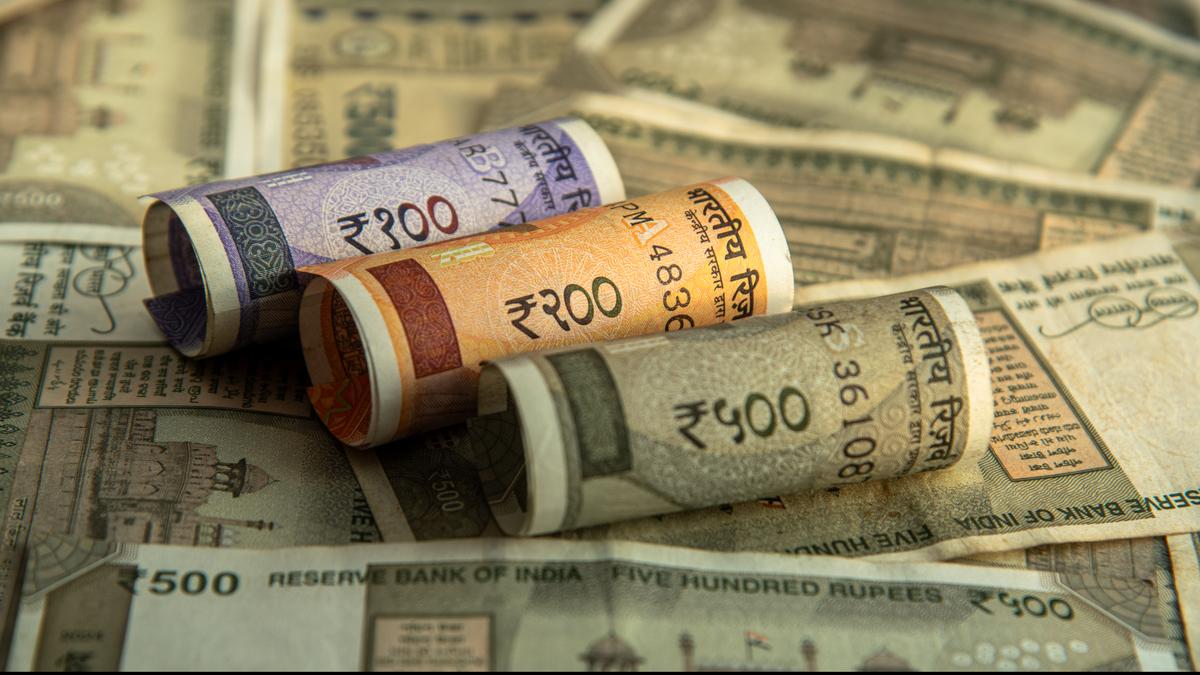
The Indian Rupee has once again come under pressure, sliding to a historic low of 93.94 against the US dollar. The latest drop of 41 paise in a single session has pushed the currency closer to the psychological 94 mark, raising concerns among policymakers, businesses, and consumers alike.
Currency movements are often seen as indicators of economic health, and such a sharp decline naturally sparks discussions about underlying causes, future outlook, and real-world impact. But what does this depreciation really mean, and how could it affect everyday life in India?
What Happened to the Rupee?
The Indian Rupee weakened significantly, closing at 93.94 against the US dollar after falling 41 paise.
This marks:
- A record low for the rupee
- Continued downward pressure over recent sessions
- Growing concerns in financial markets
The fall reflects a combination of global and domestic factors that influence currency valuation.
Understanding Currency Depreciation
Currency depreciation occurs when the value of one currency falls relative to another.
In this case:
- It now takes more rupees to buy one US dollar
- The purchasing power of the rupee decreases internationally
While this may sound technical, its effects are felt across the economy.
Key Reasons Behind the Fall
Several factors have contributed to the decline of the Indian Rupee:
1. Strong US Dollar
The US dollar has been gaining strength globally, driven by:
- Higher interest rates in the US
- Strong economic data
A stronger dollar typically weakens emerging market currencies like the rupee.
2. Rising Crude Oil Prices
India imports a large portion of its oil.
Higher oil prices mean:
- Increased demand for dollars
- Higher import bills
This puts additional pressure on the rupee.
3. Foreign Capital Outflows
When foreign investors pull money out of Indian markets, it leads to:
- Reduced demand for rupees
- Increased demand for dollars
This shift weakens the currency further.
4. Global Economic Uncertainty
Geopolitical tensions and economic uncertainties often drive investors toward safer assets like the US dollar.
This trend impacts currencies like the rupee.
Impact on Everyday Life
The depreciation of the Indian Rupee has real-world consequences.
1. Costlier Imports
Imported goods become more expensive, including:
- Fuel
- Electronics
- Machinery
This can lead to higher prices for consumers.
2. Inflationary Pressure
As import costs rise, businesses may pass on the burden to consumers, contributing to inflation.
3. Travel Expenses Increase
For those traveling abroad:
- Foreign currency becomes more expensive
- International trips cost more
4. Education Abroad Becomes Costlier
Students studying overseas may face higher expenses due to the weaker rupee.
Who Benefits from a Weak Rupee?
While a falling currency has downsides, it also creates some advantages.
Exporters Gain
Indian exporters benefit because:
- Their goods become cheaper in global markets
- Competitiveness increases
IT and Service Sector
Companies earning in dollars but paying expenses in rupees can see higher profits.
Government and RBI Response
The Reserve Bank of India closely monitors currency movements.
Possible measures include:
- Intervening in forex markets
- Adjusting interest rates
- Managing liquidity
Such actions aim to stabilize the rupee and prevent excessive volatility.
Market Reactions
Currency fluctuations often impact financial markets.
Stock Market
- Import-heavy sectors may face pressure
- Export-oriented companies may gain
Bond Market
- Changes in interest rate expectations can influence bond yields
Psychological Barrier of 94
The approach toward the 94 mark is significant not just economically but also psychologically.
Crossing this level could:
- Trigger further market reactions
- Influence investor sentiment
- Lead to increased volatility
Historical Perspective
The Indian Rupee has seen several phases of depreciation over the years.
Factors such as:
- Global financial crises
- Oil price shocks
- Domestic economic conditions
…have historically influenced its value.
What Lies Ahead?
The future trajectory of the rupee will depend on multiple factors:
Global Trends
- US Federal Reserve policies
- Global economic growth
Domestic Factors
- Inflation control
- Economic growth
- Fiscal policies
A combination of these elements will determine whether the rupee stabilizes or continues to weaken.
What Should Individuals Do?
While currency fluctuations are beyond individual control, there are ways to manage their impact:
Financial Planning
- Budget for rising costs
- Diversify investments
Travel and Education Planning
- Lock in exchange rates when possible
- Plan expenses carefully
Conclusion
The fall of the Indian Rupee to a record low of 93.94 highlights the complex interplay of global and domestic economic forces.
While the depreciation brings challenges such as higher import costs and inflation, it also offers opportunities for exporters and certain industries.
As the rupee edges closer to the 94 mark, all eyes will be on how policymakers, markets, and global developments shape its future.
For now, one thing is clear: currency movements are more than just numbers—they have a direct impact on the economy and everyday life.
Understanding these shifts helps us better navigate the financial landscape in an increasingly interconnected world.