



Introduction
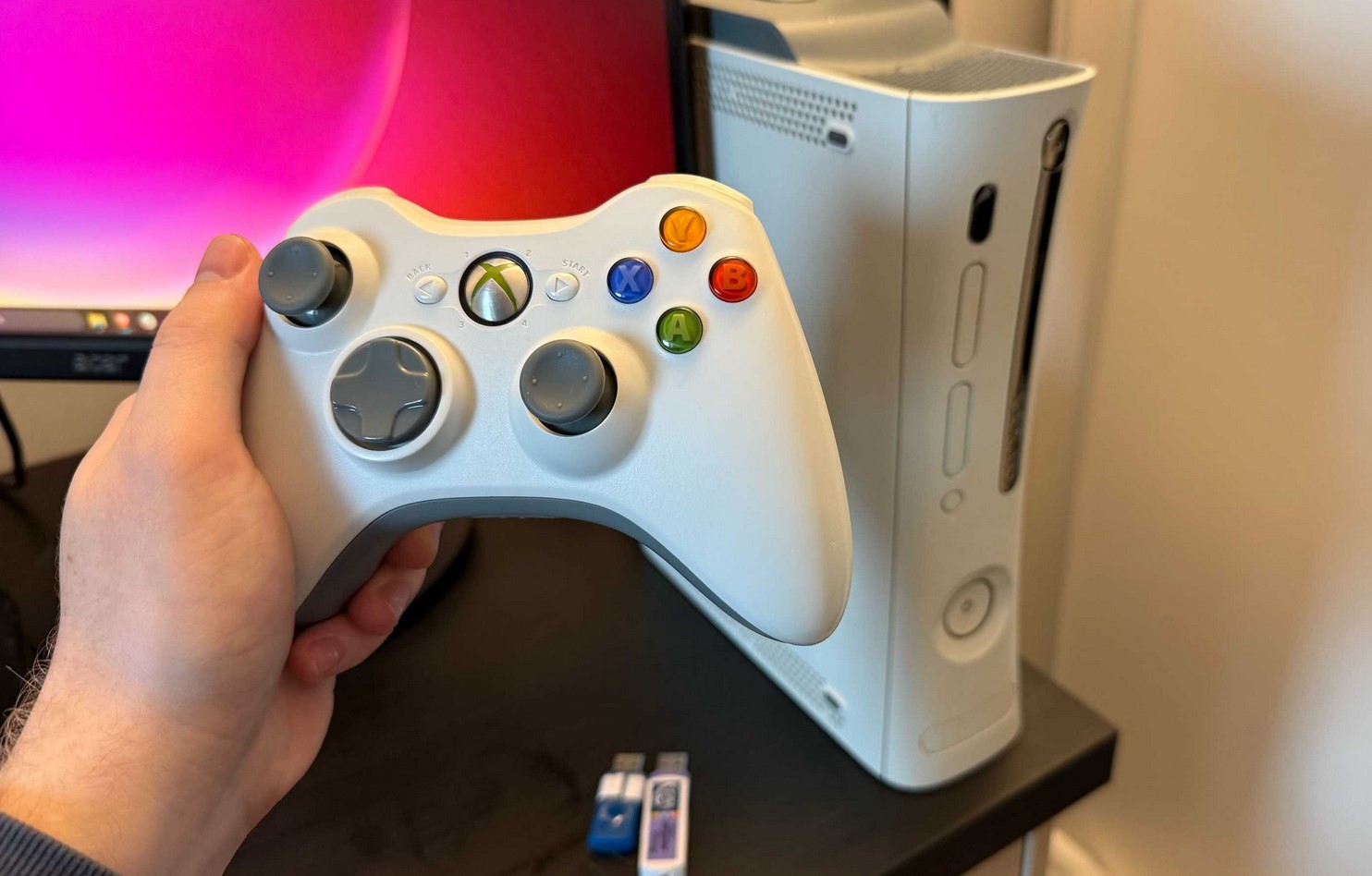
For years, gamers have asked for one major feature that could bridge the gap between console and PC gaming: the ability to play classic Xbox titles on modern computers. According to recent reports, Microsoft may finally be preparing to make that dream a reality.
Industry insiders suggest that Microsoft is exploring ways to bring games from the original Xbox and the iconic Xbox 360 era directly to Windows PCs. If implemented successfully, the move could dramatically expand the PC gaming library while preserving many beloved titles from earlier generations.
The initiative is believed to be part of Microsoft’s long-term strategy to unify the Xbox ecosystem with Windows, allowing players to access their games across multiple devices without limitations. Such a move would not only excite retro gaming fans but also strengthen Microsoft’s position in the modern gaming landscape.
A Major Step Toward Gaming Preservation
Gaming preservation has become an increasingly important topic in the video game industry. Many classic titles from older consoles are difficult—or sometimes impossible—to play without original hardware.
By bringing original Xbox and Xbox 360 games to PC, Microsoft could help preserve these experiences for future generations. Older consoles eventually fail, and physical game discs degrade over time, making access to these games more challenging.
Through software compatibility or emulation, Microsoft could ensure that classic titles remain playable on modern systems. This would give gamers a reliable way to revisit legendary games without needing outdated hardware.
Such an effort would also align with a broader industry trend toward digital game preservation, where companies maintain access to older titles through updated platforms.
How the System Might Work
Although Microsoft has not officially revealed technical details, analysts believe the company could use a modern compatibility layer or emulation technology to run older console games on Windows.
The concept is similar to the backward compatibility system already available on modern Xbox consoles like the Xbox Series X and Xbox Series S. On these systems, older games from previous generations can run with improved performance and visual enhancements.
For Windows PCs, Microsoft might introduce a software framework capable of simulating the hardware environment of older consoles. This would allow original Xbox and Xbox 360 games to run properly while taking advantage of modern PC hardware.
Potential improvements could include:
- Higher resolution graphics
- Faster loading times
- More stable frame rates
- Support for modern controllers and peripherals
These upgrades could make classic games feel fresh while preserving their original gameplay.
Integration With the Windows Gaming Ecosystem
Microsoft has been steadily integrating Xbox services into the Windows platform. Features like Xbox Game Pass, Xbox Cloud Gaming, and Play Anywhere have already blurred the line between console and PC gaming.
If classic Xbox games arrive on Windows, they will likely integrate directly with the Windows 11 gaming environment.
Possible integration features could include:
Xbox Account Synchronization
Players may be able to log in with their Xbox accounts to access their game library, achievements, and saved progress.
Xbox Achievements
Classic titles could support Xbox achievements, allowing players to earn rewards even when playing older games.
Cloud Saves
Game progress could automatically sync across devices, letting players switch between console and PC without losing progress.
Controller Compatibility
Support for controllers like the Xbox Wireless Controller would ensure that the gameplay experience feels authentic.
Together, these features could create a seamless experience across the Xbox and Windows platforms.
Expanding the Library of Classic Games
The original Xbox and Xbox 360 generations introduced many iconic games that still have passionate fan communities today.
If Microsoft expands compatibility to PC, players could potentially revisit titles from legendary franchises such as:
- Halo: Combat Evolved
- Fable II
- Gears of War
- Forza Motorsport 4
These games helped define the Xbox brand and remain important parts of gaming history.
Bringing them to PC would allow both longtime fans and new players to experience these classics on modern hardware.
Why Microsoft Is Moving in This Direction
The rumored initiative reflects Microsoft’s broader vision for the future of gaming.
Over the past several years, the company has shifted its focus from hardware exclusivity toward a platform ecosystem strategy. Instead of limiting games to specific consoles, Microsoft aims to make them accessible across multiple devices.
This strategy includes:
- Consoles such as the Xbox Series X
- Windows PCs running Windows 11
- Mobile devices via cloud gaming
- Handheld gaming PCs
By bringing older Xbox titles to PC, Microsoft can further strengthen its ecosystem and expand the reach of its gaming library.
The move could also help attract new players who prefer gaming on PCs rather than consoles.
Benefits for PC Gamers
PC gamers stand to gain significantly if this initiative becomes reality.
Access to Exclusive Classics
Many classic Xbox titles never received official PC versions. Compatibility support would allow PC players to finally experience these games without relying on unofficial emulators.
Enhanced Performance
Modern gaming PCs are far more powerful than the hardware used in the original Xbox and Xbox 360. As a result, these games could run smoother and look better than ever before.
Modding Opportunities
PC players often enjoy modifying games to enhance graphics, add content, or improve gameplay. If classic Xbox titles become available on PC, the modding community could create new life for these games.
Game Preservation
PC availability ensures that classic titles remain playable long after original consoles become obsolete.
Challenges Microsoft May Face
While the idea is exciting, implementing such a system presents several technical and legal challenges.
Licensing Issues
Some older games include licensed music, brands, or partnerships that may have expired. Microsoft would need to renegotiate these agreements before re-releasing certain titles.
Technical Complexity
Emulating older hardware while maintaining performance and stability can be challenging. Developers must ensure that games run correctly on a wide range of PC configurations.
Compatibility Testing
Thousands of games were released for the Xbox and Xbox 360 platforms. Ensuring that each title works properly may require extensive testing and optimization.
Despite these challenges, Microsoft has already demonstrated its ability to overcome similar obstacles with the Xbox backward compatibility program.
Impact on the Gaming Industry
If Microsoft successfully brings classic Xbox games to PC, it could influence the entire gaming industry.
Other companies may feel pressure to follow suit by making their own legacy titles more accessible. This could lead to a broader movement toward preserving classic games and making them playable on modern hardware.
Additionally, the initiative could strengthen Microsoft’s position in the ongoing competition between gaming platforms.
By combining console, PC, and cloud gaming into a single ecosystem, Microsoft may create one of the most flexible gaming platforms available.
What the Future Might Look Like
Looking ahead, the integration of Xbox and Windows gaming could become even deeper.
Future Xbox consoles may function more like gaming PCs, sharing similar architecture and software environments. This would make it easier for games to run across devices without compatibility issues.
Microsoft’s long-term vision appears to involve a unified platform where players can access their games anywhere—whether on a console, PC, or cloud streaming service.
Adding classic Xbox games to PC would be another step toward that vision.
Conclusion
The possibility that Microsoft is planning to bring original Xbox and Xbox 360 games to Windows PCs is exciting news for gamers everywhere.
Such a move could preserve classic titles, expand the PC gaming library, and strengthen Microsoft’s vision of a unified gaming ecosystem. By allowing players to revisit iconic games on modern hardware, Microsoft would also help ensure that these experiences remain accessible for years to come.
While the initiative is still based on reports and has not been officially confirmed, it represents a promising step toward the future of gaming—one where players are no longer limited by hardware generations.
If Microsoft succeeds, the line between console and PC gaming may continue to fade, opening the door to a more connected and accessible gaming world for everyone. 🎮