




The smartphone industry has been evolving rapidly over the past decade, but few innovations have captured the imagination of consumers and professionals quite like foldable devices. With larger screens that unfold into tablet-like displays, these devices promise the portability of a smartphone combined with the productivity of a tablet. Now, a new collaboration between OPPO and Google aims to take foldable productivity to the next level.
The two technology giants have announced a partnership designed to redefine how users interact with foldable smartphones through a next-generation AI-powered stylus experience. By integrating advanced artificial intelligence capabilities with intuitive stylus functionality, the collaboration aims to make foldable devices more powerful tools for creativity, productivity, and multitasking.
This partnership signals a significant shift in how mobile devices will support work, learning, and creative expression. Instead of simply being larger smartphones, foldables could soon become highly capable productivity machines powered by AI-driven tools and smart stylus interactions.
The Rise of Foldable Devices
Foldable smartphones have grown rapidly in popularity as manufacturers explore new ways to expand smartphone capabilities. With displays that can fold and unfold, these devices allow users to enjoy a larger screen without sacrificing portability.
Brands like Samsung Electronics, OPPO, and Huawei have been leading the charge in this segment, introducing devices that combine cutting-edge hardware with innovative form factors.
However, while foldables provide a larger display area, many users have wondered how to fully utilize that extra screen space. Simply running regular apps on a larger display does not always unlock the true potential of the device.
This is where stylus support and AI-powered tools become essential.
A stylus allows users to write, draw, annotate, and interact with content in a much more natural and precise way. When combined with intelligent software features powered by artificial intelligence, a stylus can transform a foldable device into a powerful productivity platform.
OPPO and Google’s Strategic Collaboration
The partnership between OPPO and Google focuses on integrating advanced AI capabilities into stylus-based workflows on foldable smartphones.
This collaboration brings together two major strengths:
- OPPO’s expertise in hardware innovation and foldable design
- Google’s leadership in artificial intelligence and Android software
Together, the companies are working to develop an intelligent stylus experience that seamlessly integrates with the Android ecosystem.
The goal is simple but ambitious: to make foldable devices more productive, intuitive, and powerful than ever before.
The Next-Generation AI Stylus Experience
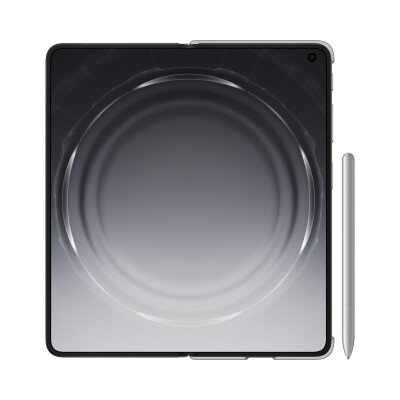
At the center of this partnership is a next-generation stylus designed to work seamlessly with foldable devices.
Unlike traditional stylus tools that simply replicate pen input, the new AI stylus aims to enhance user interaction through intelligent features.
1. AI-Powered Note Taking
One of the most powerful applications of the stylus is note-taking.
The AI stylus will enable users to:
- Convert handwritten notes into digital text instantly
- Organize notes automatically
- Summarize handwritten content
- Search handwritten notes using AI
For students, professionals, and researchers, this means meetings, lectures, and brainstorming sessions can be captured and organized far more efficiently.
2. Smart Document Annotation
Another key feature is intelligent document annotation.
Users will be able to highlight, comment, and mark up documents directly on their foldable screens. AI will help by:
- Suggesting edits
- Extracting key points
- Translating handwritten notes
- Creating summaries of annotated content
This could be especially valuable for professionals reviewing reports, contracts, or presentations on the go.
3. AI-Assisted Drawing and Creativity
Creative users will also benefit from enhanced stylus capabilities.
The AI stylus may include tools that can:
- Improve sketches automatically
- Convert rough drawings into polished illustrations
- Suggest design elements
- Generate color palettes and shapes
For designers and digital artists, foldable devices could become portable creative studios.
4. Intelligent Multitasking
Foldable devices are designed for multitasking, and the stylus will play a major role in enhancing this capability.
Users may be able to:
- Drag handwritten notes into apps
- Convert sketches into images or diagrams
- Use gestures to control apps
- Quickly launch productivity tools
Combined with large foldable displays, these features can significantly improve workflow efficiency.
AI Integration with Android
A major advantage of the partnership with Google is deep integration with the Android operating system.
This means the AI stylus features will work across multiple apps rather than being limited to a single proprietary application.
Possible integrations include:
- Google Docs for document editing
- Google Keep for smart note taking
- Google Drive for cloud storage
- Google Meet for collaborative meetings
By integrating stylus input with the broader Android ecosystem, users will experience a seamless workflow across productivity apps.
How Foldables Become True Productivity Devices
While foldable smartphones have impressive hardware, productivity has often been limited by software optimization.
This partnership could change that by transforming foldables into devices that truly support professional workflows.
With AI stylus support, foldable devices could function as:
- Digital notebooks
- Portable drawing tablets
- Mobile presentation tools
- Document editing platforms
- Collaborative workspaces
Instead of carrying a laptop and tablet, many users may be able to rely on a single foldable device.
The Competitive Landscape
The foldable market is becoming increasingly competitive as major manufacturers invest heavily in the category.
For example:
- Samsung Electronics offers stylus support on its Galaxy Fold series.
- Huawei has introduced foldable devices focused on productivity.
- Honor and Xiaomi are also entering the foldable segment.
However, the collaboration between OPPO and Google could give OPPO a unique advantage by combining hardware innovation with Google’s AI ecosystem.
This integration may deliver smarter features that competitors struggle to match.
Potential Devices That Could Feature the AI Stylus
While official details are still emerging, industry analysts believe that upcoming foldable devices from OPPO may feature this new stylus technology.
Possible candidates include future successors to the OPPO Find N3 or new foldable models designed specifically for productivity users.
These devices could include:
- Larger foldable displays optimized for stylus input
- Enhanced pressure sensitivity
- Ultra-low latency stylus response
- AI-powered handwriting recognition
Together, these improvements would create a more natural writing and drawing experience.
Benefits for Professionals and Students
The next-generation AI stylus experience could bring significant advantages across many fields.
For Professionals
Business users could:
- Annotate documents quickly
- Take meeting notes effortlessly
- Sketch ideas during brainstorming sessions
- Edit presentations on the go
For Students
Students could:
- Take lecture notes digitally
- Highlight and annotate textbooks
- Create diagrams and visual notes
- Organize study material more effectively
For Creators
Artists and designers could:
- Sketch concepts anywhere
- Create illustrations directly on foldable devices
- Edit designs using AI-assisted tools
- Share work instantly with collaborators
The Future of AI-Powered Productivity
The partnership between OPPO and Google reflects a broader trend in the technology industry: the fusion of AI and hardware innovation.
Instead of simply making devices faster or thinner, companies are focusing on making them smarter.
Artificial intelligence can transform how users interact with their devices by:
- Predicting user needs
- Automating repetitive tasks
- Enhancing creativity
- Improving productivity
When combined with flexible displays and advanced stylus input, AI could unlock entirely new ways of working and creating on mobile devices.
Challenges Ahead
Despite the excitement surrounding this collaboration, several challenges remain.
App Optimization
Developers must ensure that apps fully support stylus input and foldable screen layouts.
Battery Efficiency
AI-powered features can consume significant processing power, so manufacturers must optimize battery performance.
User Adoption
Some users still prefer traditional keyboards and laptops for productivity tasks, meaning companies must demonstrate clear advantages to encourage adoption.
Conclusion
The collaboration between OPPO and Google marks an important step forward in the evolution of foldable devices.
By combining advanced AI capabilities with a next-generation stylus experience, the companies aim to transform foldable smartphones into powerful productivity tools that go far beyond traditional mobile functionality.
From AI-powered note taking and smart document annotation to creative drawing tools and intelligent multitasking, the new stylus experience could unlock the true potential of foldable displays.
As foldable devices continue to evolve, innovations like these will play a critical role in shaping the future of mobile computing. If successful, this partnership could redefine how professionals, students, and creators use their devices — turning foldable smartphones into the ultimate portable productivity companions.