


The Science of Nighttime Sugar
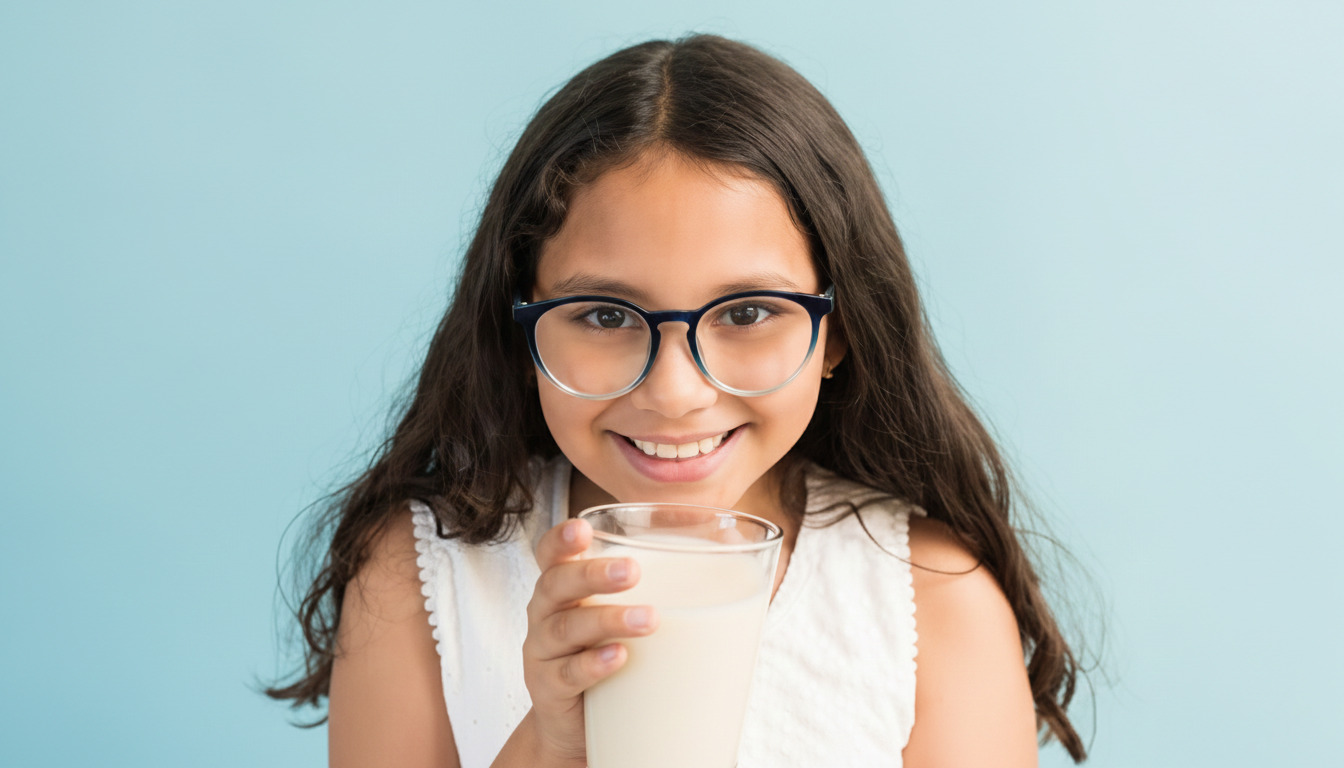
Many parents forget that milk—whether it’s cow’s milk, breast milk, or formula—contains lactose, which is a natural sugar. During the day, our mouths produce an abundance of saliva. Saliva is the body’s natural defense mechanism; it neutralizes acids and washes away food particles.
However, when a child falls asleep, saliva production almost entirely stops. If a child is allowed to drift off with a bottle of milk or even breastfeed throughout the night without a wipe-down of the gums, that lactose pools around the upper front teeth.
The “Acid Rain” Effect
The bacteria in the mouth feast on that pooled lactose, producing acid as a byproduct. Because there is no saliva to wash it away, this acid sits on the soft, developing enamel of baby teeth for 8 to 10 hours.
- The Result: The teeth begin to demineralize. Within months, the beautiful white baby teeth turn chalky, then brown, and eventually crumble away.
- The Expert Advice: “If they must have a bottle to sleep, it must be water,” says Dr. Sterling. “If you’re breastfeeding or giving milk, ensure you wipe the child’s teeth and gums with a clean, damp cloth before they officially enter deep sleep.”
2. Gummy Vitamins: “Candy in Disguise”
In 2026, the supplement market is flooded with gummies. They are the easiest way to get a picky eater to take their Vitamin C or Omega-3s. But to a dentist with 40 years of experience, a gummy vitamin is essentially a sugar-coated gummy bear with a marketing degree.
The Stickiness Factor
The danger isn’t just the sugar content; it’s the retention time. Unlike a piece of fruit or even a chocolate bar that melts away, gummy vitamins are designed to be “chewy” and “sticky.” This means they get jammed into the deep grooves (fissures) of the molars.
The Prolonged Attack
“I would rather a child skip their multivitamin than eat a gummy one every morning,” Dr. Sterling explains. “When that sticky substance gets stuck in the molar grooves, it provides a 24-hour buffet for decay-causing bacteria.”
- The Alternative: If your child needs supplements, opt for sugar-free chewable tablets or liquid drops. If you must use gummies, give them at mealtimes when saliva production is high, and brush immediately after.
3. Fruit Juices and Smoothies in Sippy Cups
There is a pervasive myth that because juice comes from fruit, it is “healthy.” In reality, when you juice an orange, you remove the fiber (which slows sugar absorption) and concentrate the sugar and acid.
The Sippy Cup Problem
The issue isn’t a single glass of juice with breakfast; it’s the sippy cup. Sippy cups allow children to “sip” throughout the day.
- The 20-Minute Rule: Every time your child takes a sip of juice, their mouth becomes acidic. It takes the mouth approximately 20 minutes to return to a neutral pH.
- The Constant Bath: If a child takes a sip every 15 minutes while playing, their mouth never leaves the “acid zone.” Their teeth are essentially being bathed in a slow-motion acid bath all day long.
The “Smoothie” Hoax
Smoothies often contain “sticky” fruits like dates or bananas and are highly acidic due to berries and citrus. While they are nutritionally superior to soda, they are just as damaging to the enamel if consumed slowly.
- The Expert Advice: Keep juice to a maximum of 4 ounces a day, served in a regular open cup (not a sippy cup) during a meal. Water should be the only drink allowed for “grazing” between meals.
4. Dried Fruits: Nature’s Toffee
Raisins, dried apricots, and fruit leathers are staples in school lunchboxes. They are perceived as “natural” and “healthy” snacks. However, Dr. Sterling ranks them as some of the worst offenders for childhood cavities.
Concentrated Sugar
When fruit is dried, the water is removed, leaving behind a highly concentrated sugar bomb. Gram for gram, raisins contain significantly more sugar than fresh grapes.
Mechanical Damage
Because dried fruit is incredibly sticky, it acts exactly like the gummy vitamins mentioned earlier. It sticks to the teeth and stays there.
“I have seen countless cases where a ‘healthy’ child has rampant decay between their teeth,” says Dr. Sterling. “When we dig deeper, we find out they’re eating boxes of raisins every afternoon. It’s like giving them a piece of toffee every day.”
- The Alternative: Give them the fresh version of the fruit. The water content in fresh grapes or apples helps wash away some of the sugars, and the fibrous texture actually helps “scrub” the teeth as they chew.
5. Sports Drinks and “Hydration” Waters
This is a growing concern in 2026. With the rise of “youth sports culture,” parents are frequently giving their kids sports drinks to keep them hydrated during soccer or basketball practice.
The Double Whammy: Sugar + Citric Acid
Sports drinks are designed for high-endurance athletes, not 8-year-olds running around a park for 45 minutes. Most contain high levels of sugar and high levels of citric acid used for flavor.
- The Erosion Effect: The citric acid softens the enamel, and the sugar then feeds the bacteria that cause decay in that softened enamel.
The Dehydration Factor
Ironically, the high sugar content can actually hinder hydration in some cases. “Milk or water is the best recovery drink for a child,” Dr. Sterling asserts. “Giving a child a neon-colored sports drink after exercise is basically undoing all the health benefits of the exercise itself—at least for their teeth.”
- The Expert Advice: Stick to plain water for hydration. If they need electrolytes after an intense bout of activity, offer a banana and a glass of water.
Comparison: The “Good” vs. The “Hidden Bad”
| Category | The “Hidden Bad” (Avoid) | The Better Alternative |
| Bedtime | Milk/Formula Bottle | Plain Water |
| Vitamins | Gummy Vitamins | Sugar-free Chewables |
| Snacks | Raisins/Fruit Leathers | Fresh Apple Slices |
| Drinks | Sippy Cup of Juice | Open Cup of Water/Milk |
| Sports | Electrolyte Drinks | Water + Piece of Fruit |
The 40-Year Perspective: Why It Matters
You might be thinking, “My parents gave me milk at bedtime, and I’m fine!” Dr. Sterling is quick to counter this with a “candid peer” reality check: The food landscape has changed drastically in the last 40 years.
- Sugar Concentration: Processed foods today contain significantly higher concentrations of hidden sugars (high-fructose corn syrup) than they did in the 1980s.
- Frequency of Eating: Our culture has moved toward “snacking” and “grazing” rather than three distinct meals. This means the “acid window” in our mouths is open for much longer.
- Softness of Food: Modern diets are much softer. Children aren’t chewing on raw, fibrous vegetables as much as they used to, which means the natural “self-cleaning” action of chewing is lost.
The Emotional Toll of Early Decay
Beyond the physical pain, there is an emotional component. “When a child has to be put under general anesthesia for dental surgery at age three, it’s a trauma for the child and the parent,” Dr. Sterling says. “It often leads to a lifelong fear of the dentist. By avoiding these five things, you aren’t just saving their teeth; you’re saving their relationship with healthcare.”
Actionable Tips for a “Dental Glow-Up” for Kids
If you’ve been giving your child these things, don’t panic. The mouth is incredibly resilient. Here is your 3-step plan to pivot:
- The “Water Transition”: If your child is addicted to a milk bottle at night, start by diluting the milk with water over the course of a week until it is 100% water.
- The “Rinse and Spit” Habit: If your child eats something sticky or acidic (like a smoothie) and you aren’t in a position to brush their teeth, have them “swish” with plain water immediately. This helps neutralize the pH.
- The Xylitol Secret: In 2026, Xylitol (a natural birch sugar) is a dentist’s best friend. Bacteria cannot process Xylitol, so it actually starves the decay-causing germs. Look for sugar-free mints or gums with Xylitol for older children after snacks.
Conclusion: Small Changes, Lifetime Results
Dr. Sterling’s advice isn’t about being a “fun-killer.” It’s about understanding that baby teeth are the placeholders for the rest of a child’s life. They hold the space for adult teeth, they allow for proper speech development, and they build a child’s self-esteem.
“Milk at bedtime sounds cosy,” he concludes, “but a healthy, pain-free smile is the cosiest thing a child can have.”