





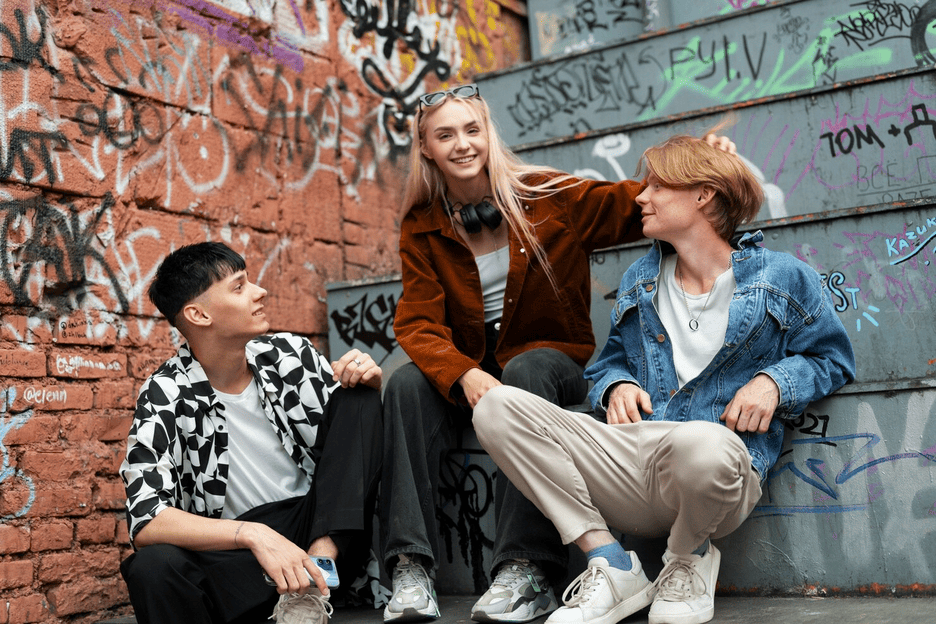
Streetwear has come a long way from its humble beginnings as a subculture rooted in skate, hip‑hop, and surf scenes. Today, it’s a global fashion force that blends comfort, individuality, and cultural expression. From oversized hoodies and graphic tees to tech‑infused fabrics and digital fashion drops, the evolution of streetwear reflects broader cultural shifts in identity, technology, and sustainability.
A Brief Look Back: From Subculture to Global Style
Originally emerging in the 1980s and 1990s, streetwear took inspiration from hip‑hop culture in New York and skate culture in California. It was more than clothing—it was a statement of identity and community. As the style grew, exclusive drops, limited editions, and sneaker culture played a huge role in streetwear’s rise, eventually drawing interest from high fashion houses and luxury brands. By the 2000s and 2010s, streetwear began blending with high fashion, giving birth to collaborations between brands like Supreme and Louis Vuitton.
Current Streetwear Trends Shaping 2025
Tech‑Infused and Futuristic Designs
Today’s streetwear is embracing technology more than ever before. Smart textiles, wearable tech, and innovative materials are becoming part of mainstream collections. This includes fabrics that respond to environmental conditions or incorporate digital features, reflecting a future where fashion meets function.
Gender‑Neutral and Inclusive Fashion
Streetwear has played a major role in breaking traditional fashion boundaries. Gender‑neutral and unisex designs are increasingly popular, allowing people to express themselves without being confined by rigid norms. This inclusivity opens the door for diverse styles and body‑positive representation.
Sustainability and Eco‑Conscious Style
Consumers are demanding more responsible fashion, and streetwear brands are responding. Eco‑friendly materials like recycled fabrics, organic cotton, and upcycled garments are now central to many collections. Sustainability isn’t just a trend—it’s becoming a defining feature of forward‑thinking streetwear.
Retro and Nostalgic Influences
Nostalgia plays a huge role in streetwear’s evolution. Y2K and ’90s styles are resurfacing with modern twists—baggy silhouettes, vintage graphics, and oversized fits are all part of this retro revival. Rather than copying the past exactly, designers are remixing it with contemporary aesthetics for a fresh yet familiar look.
Oversized Silhouettes and Relaxed Fits
Gone are the days of strictly tailored streetwear. Big, loose silhouettes—think roomy hoodies, baggy jeans, and relaxed trousers—are dominating wardrobes. These styles emphasize comfort and individuality, aligning with the casual and expressive nature of modern streetwear culture.
What’s Next: Predictions for Streetwear’s Future

Digital and Virtual Fashion
The digital world is influencing streetwear like never before. Virtual fashion, NFTs, and augmented reality experiences are becoming part of how we interact with style. Brands will continue exploring digital drops and AR try‑ons, especially for Gen Z and digital native consumers.
Customization and Personal Expression
Streetwear has always been about individuality, and the next stage of that evolution is customization. Consumers want unique, personalized pieces—whether it’s custom embroidery, DIY patches, or made‑to‑order designs. This trend celebrates creativity and sets wearers apart from mass‑produced fashion.
Athleisure and Functional Street Style
The line between athletic wear and streetwear continues to blur. Performance fabrics, moisture‑wicking materials, and functional cuts are becoming staples, bringing comfort and utility to everyday fashion. This crossover makes streetwear not just stylish, but practical for a variety of lifestyles.