




Artificial Intelligence (AI) is evolving at lightning speed. By 2025, AI will continue to reshape industries, transform businesses, and impact our daily lives in unprecedented ways. From smarter healthcare solutions to advanced robotics, the next generation of AI promises efficiency, personalization, and innovation.
The AI Revolution: What to Expect in 2025
AI is no longer limited to research labs—it’s embedded in everyday tools. By 2025, AI will become even more intelligent, accessible, and integrated across sectors such as:
- Healthcare
- Finance
- Transportation
- Education
- Retail
Its ability to analyze data, predict trends, and automate tasks will continue to drive growth and innovation worldwide.
1. AI in Healthcare
Healthcare is one of the most promising sectors for AI. In 2025, AI will enable:
- Predictive diagnostics: Early detection of diseases using AI-powered imaging
- Personalized medicine: Tailored treatments based on patient data
- Robotic-assisted surgery: Enhanced precision and reduced recovery times
- Virtual health assistants: AI chatbots for patient guidance and monitoring
AI will make healthcare more accurate, efficient, and accessible globally.
2. AI in Business and Finance
Businesses are leveraging AI to make smarter decisions and automate processes. By 2025, expect:
- Intelligent chatbots for customer service
- Automated fraud detection in banking
- AI-driven market predictions and analytics
- Optimized supply chains using machine learning
AI helps companies save time, reduce costs, and provide better services to customers.
3. AI in Transportation and Smart Cities
Transportation and urban development are being revolutionized by AI. Key trends include:
- Autonomous vehicles: Safer and more efficient road travel
- Traffic optimization: AI predicting congestion and suggesting alternate routes
- Smart infrastructure: AI monitoring utilities and city operations
- Drone deliveries: Faster, automated logistics
AI makes cities smarter, transportation smoother, and urban life more convenient.
4. AI in Education
Education will be more personalized with AI in 2025. Benefits include:
- Adaptive learning platforms: Tailoring lessons to individual students
- Automated grading and assessments for teachers
- AI tutors and assistants providing real-time support
- Virtual classrooms powered by AI-enhanced tools
AI makes learning more interactive, accessible, and effective.
5. AI in Entertainment and Daily Life
AI is also enhancing how we enjoy entertainment and manage daily activities:
- Personalized streaming recommendations
- Smart home automation for lighting, security, and appliances
- AI-powered gaming with adaptive difficulty and immersive experiences
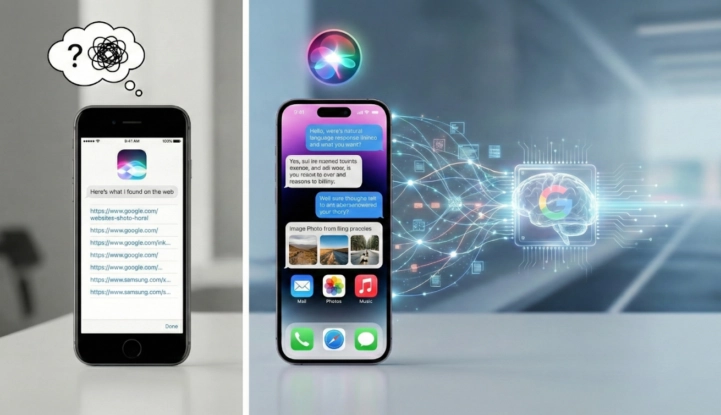
- Voice assistants providing instant information and task management
By 2025, AI will seamlessly integrate into our homes and routines.
Challenges and Considerations
While AI offers immense benefits, it also brings challenges:
- Ethical concerns and bias in AI algorithms
- Privacy and data security issues
- Job displacement due to automation
- Dependence on technology and reduced human interaction

Responsible AI development and regulation are essential to maximize benefits while minimizing risks.
Final Thoughts
The top artificial intelligence technologies of 2025 are set to transform industries, enhance efficiency, and improve quality of life. From healthcare to smart homes, AI’s impact will be everywhere—but balancing innovation with ethics, privacy, and human values is key.
AI isn’t just the future—it’s shaping our present and will define life in 2025 and beyond.