





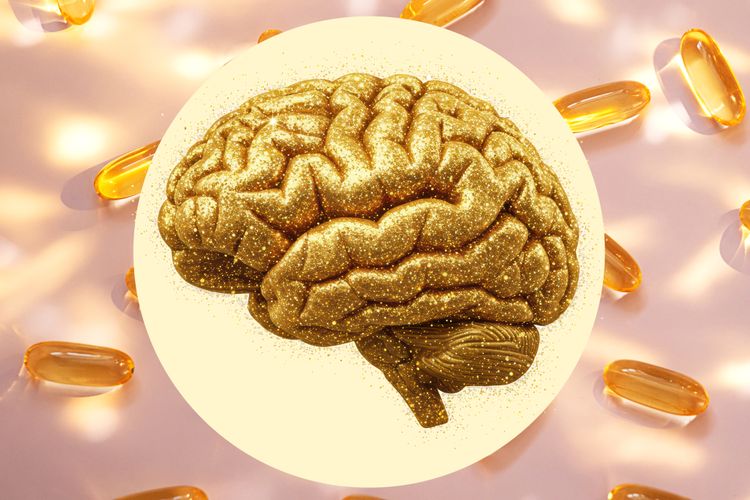
Omega-3 fatty acids have long been linked to brain health, sharper thinking, and emotional well-being. Often marketed as a simple supplement for memory, mood, and mental clarity, omega-3s are among the most widely consumed nutritional supplements worldwide. But what actually happens inside your brain when you start taking an omega-3 supplement?
Scientific research suggests the effects go far beyond general nutrition. From supporting brain cell structure to influencing neurotransmitters and inflammation, omega-3s play a fundamental role in how the brain functions across the lifespan.
Understanding Omega-3 Fatty Acids
Omega-3s are essential fats, meaning the body cannot produce them on its own. They must be obtained through diet or supplements. The three most important omega-3s for brain health are:
- DHA (docosahexaenoic acid) – the most critical for brain structure
- EPA (eicosapentaenoic acid) – important for inflammation and mood regulation
- ALA (alpha-linolenic acid) – a plant-based omega-3 that the body partially converts into DHA and EPA
Fish oil supplements are rich in DHA and EPA, while flaxseed, chia seeds, and walnuts provide ALA.
Omega-3s Become Part of Your Brain Cells
One of the most important things that happens when you take an omega-3 supplement is that DHA becomes incorporated into brain cell membranes.
The human brain is nearly 60% fat by dry weight, and DHA is a major structural component of neurons. Adequate DHA levels help maintain:
- Flexible and resilient cell membranes
- Efficient signal transmission between neurons
- Healthy synaptic connections
When omega-3 intake is low, brain cell membranes can become more rigid, which may impair communication between neurons.
Improved Communication Between Neurons
Omega-3s influence how neurons communicate by affecting receptors, ion channels, and neurotransmitter release. Research shows that DHA-rich membranes allow brain cells to:
- Transmit electrical signals more efficiently
- Respond better to neurotransmitters like serotonin and dopamine
- Adapt more easily during learning and memory formation
This enhanced signaling may explain why omega-3 supplementation is associated with improved attention, learning capacity, and mental processing speed in some individuals.
Effects on Memory and Learning
Several studies suggest that omega-3s, particularly DHA, support regions of the brain involved in memory and learning, such as the hippocampus.
Regular omega-3 intake has been linked to:
- Better memory performance
- Slower age-related cognitive decline
- Improved learning efficiency
While omega-3s are not a cure for neurodegenerative diseases, they appear to help preserve cognitive function, especially when consumed consistently over time.
Reduced Brain Inflammation
Chronic inflammation in the brain is increasingly linked to conditions such as depression, cognitive decline, and neurodegenerative disorders.
Omega-3 fatty acids help regulate inflammation by:
- Producing anti-inflammatory molecules
- Reducing pro-inflammatory signaling pathways
- Supporting immune balance within the brain
EPA plays a particularly important role in controlling inflammation, which may explain why omega-3 supplements are sometimes beneficial for mood disorders.
Impact on Mood and Mental Health
Omega-3s influence neurotransmitters that regulate mood, including serotonin and dopamine. Low omega-3 levels have been associated with higher rates of depression, anxiety, and mood instability.
Research suggests omega-3 supplementation may:
- Support emotional regulation
- Reduce symptoms of mild to moderate depression
- Improve stress resilience
n
While omega-3s are not a replacement for mental health treatment, they may act as a supportive tool alongside therapy or medication.
Enhanced Brain Plasticity
Brain plasticity refers to the brain’s ability to adapt, reorganize, and form new neural connections. Omega-3s promote plasticity by:
- Supporting synapse formation
- Enhancing growth of neural pathways
- Improving response to learning and experience
This effect is especially important during childhood, adolescence, and older adulthood, when the brain undergoes significant change.
Protection Against Cognitive Aging
As people age, brain volume and function naturally decline. Omega-3s appear to offer a protective effect by:
- Slowing brain shrinkage in key regions
- Supporting blood flow to the brain
- Reducing oxidative stress
Older adults with higher omega-3 levels often show better cognitive performance compared to those with low levels.
How Long Does It Take to Notice Effects?
Omega-3s do not work instantly. Changes in brain chemistry and structure occur gradually. Many studies suggest:
- Blood omega-3 levels rise within weeks
- Brain-related effects may take 2–6 months of consistent supplementation
Benefits are more noticeable when omega-3 intake is sustained over the long term rather than taken sporadically.
Who Benefits Most from Omega-3 Supplements?
Omega-3 supplementation may be particularly helpful for:
- People who eat little or no fish
- Older adults concerned about cognitive decline
- Individuals with mood disorders
- Children with attention or learning challenges
However, effects vary based on genetics, diet, lifestyle, and overall health.
Choosing the Right Omega-3 Supplement
For brain health, experts often recommend:
- Higher DHA content
- Balanced DHA and EPA ratios
- Third-party tested supplements for purity
Consistency matters more than high doses. Extremely high intake should be avoided unless advised by a healthcare professional.
Are There Any Risks?
Omega-3 supplements are generally safe, but possible side effects include:
- Mild digestive discomfort
- Fishy aftertaste
- Increased bleeding risk at very high doses
People on blood-thinning medication should consult a doctor before supplementation.
Conclusion
Taking an omega-3 supplement triggers a series of changes in the brain that support structure, communication, and resilience. By becoming part of brain cell membranes, reducing inflammation, and enhancing neurotransmitter function, omega-3s help maintain cognitive health and emotional balance.
While not a miracle pill, omega-3 supplementation represents one of the most evidence-backed nutritional strategies for supporting brain function across all stages of life. Combined with a balanced diet and healthy lifestyle, omega-3s can play a meaningful role in keeping the brain healthy, adaptable, and resilient over time.