





Chinese tech giant Xiaomi has introduced Miclaw, a new autonomous artificial intelligence assistant designed specifically for smartphones. The company says this AI system represents a major step forward in how users interact with their mobile devices, offering smarter automation, deeper system integration, and the ability to complete complex tasks with minimal user input.
Miclaw is expected to expand the capabilities of smartphone assistants by combining advanced AI models with Xiaomi’s ecosystem of devices and services. The assistant aims to act not just as a voice command tool, but as a proactive digital helper that can understand user behavior, anticipate needs, and perform tasks automatically.
What Is Miclaw?
Miclaw is described as an autonomous AI assistant that operates across Xiaomi smartphones and connected devices. Built using advanced technologies in Artificial Intelligence and Machine Learning, the assistant is designed to learn from user habits and automate everyday actions.
Unlike traditional voice assistants that require commands for each action, Miclaw can analyze context and take initiative. For example, it may suggest replies to messages, organize tasks, or adjust device settings based on the user’s schedule and preferences.
This concept reflects a shift toward AI agents that can independently manage tasks rather than simply responding to commands.
Key Features of Miclaw
1. Autonomous Task Management
One of Miclaw’s main capabilities is its ability to handle multi-step tasks automatically.
Instead of opening multiple apps manually, users could simply tell Miclaw what they want to achieve. The AI assistant can then coordinate actions across different applications to complete the request.
For example, Miclaw could:
- Book travel tickets
- Schedule meetings
- Send reminders
- Organize files or photos
The goal is to reduce the time users spend navigating apps and menus.
2. Deep Smartphone Integration
Miclaw is designed to work directly within Xiaomi’s operating system and ecosystem. This allows the AI assistant to control various functions of the device more efficiently.
Possible system-level actions include:
- Adjusting brightness or sound settings automatically
- Managing battery usage
- Optimizing background apps
- Organizing notifications
By integrating deeply with the phone’s software, Miclaw can deliver faster responses and smarter automation.
3. Context-Aware Intelligence
Another important feature is context awareness.
Miclaw can analyze different signals such as:
- Location
- Time of day
- Calendar events
- App usage patterns
Based on this information, the assistant can suggest helpful actions. For example, if a user has a scheduled meeting, Miclaw might automatically prepare notes, open relevant documents, or activate silent mode.
This type of intelligent assistance aims to make smartphones more responsive to everyday needs.
4. Voice and Text Interaction
Users will be able to interact with Miclaw using both voice commands and text prompts. The assistant is expected to support natural conversations, allowing people to speak normally rather than using rigid command phrases.
For example, users might say:
- “Plan my travel for next week.”
- “Remind me to call John after work.”
- “Summarize the messages I missed.”
Miclaw will interpret the request and handle the required actions.
5. AI-Powered Productivity Tools
Xiaomi also plans to include productivity features powered by AI.
These may include:
- Smart message summaries
- AI-generated replies
- Automatic translation
- Document and email summarization
Such tools can help users process information faster and stay organized.
Integration With Xiaomi’s Ecosystem
One of Xiaomi’s strengths is its large ecosystem of connected devices. Miclaw could eventually work across products such as:
- Smartphones
- Tablets
- Smart home devices
- Wearables
- Smart TVs
For instance, the assistant might automatically adjust smart home lighting or temperature when a user arrives home.
This ecosystem integration could make Miclaw more powerful than standalone assistants.
Privacy and Data Security
As with many AI assistants, privacy remains an important concern. Xiaomi says Miclaw is being designed with strong security protections to safeguard user data.
Some features may rely on on-device processing, meaning certain tasks can be completed directly on the smartphone without sending data to external servers.
This approach can improve both speed and privacy.
Competing With Other AI Assistants
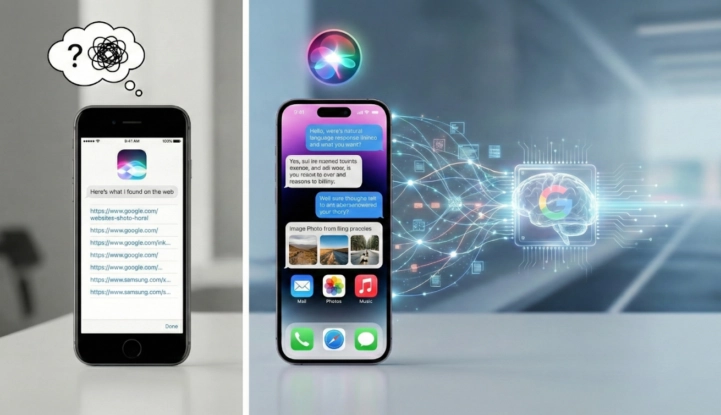
Miclaw enters a rapidly evolving market where technology companies are racing to develop smarter AI assistants.
Major competitors include:
- Google Assistant
- Apple Siri
- Amazon Alexa
However, Xiaomi’s approach focuses heavily on autonomous AI agents, which could differentiate Miclaw from traditional assistants that rely mainly on voice commands.
The Future of AI-Powered Smartphones
The launch of Miclaw reflects a broader shift in the smartphone industry. Instead of simply adding isolated AI features, companies are now building AI-first operating systems where intelligent assistants play a central role.
In the future, smartphones may rely on AI to:
- Manage daily schedules
- Handle digital communication
- Automate repetitive tasks
- Provide personalized recommendations
This could transform smartphones from tools into proactive digital companions.
When Will Miclaw Be Available?
Xiaomi has not yet confirmed a specific release date for Miclaw. However, the assistant is expected to appear first in upcoming Xiaomi flagship smartphones and software updates.
A wider rollout may follow as the technology matures.
In summary:
Miclaw is Xiaomi’s new autonomous AI assistant designed to transform how users interact with smartphones. By combining artificial intelligence, automation, and deep system integration, the assistant aims to handle complex tasks, improve productivity, and create a smarter mobile experience.
If successfully implemented, Miclaw could become one of the most advanced AI assistants available on smartphones in the coming years.